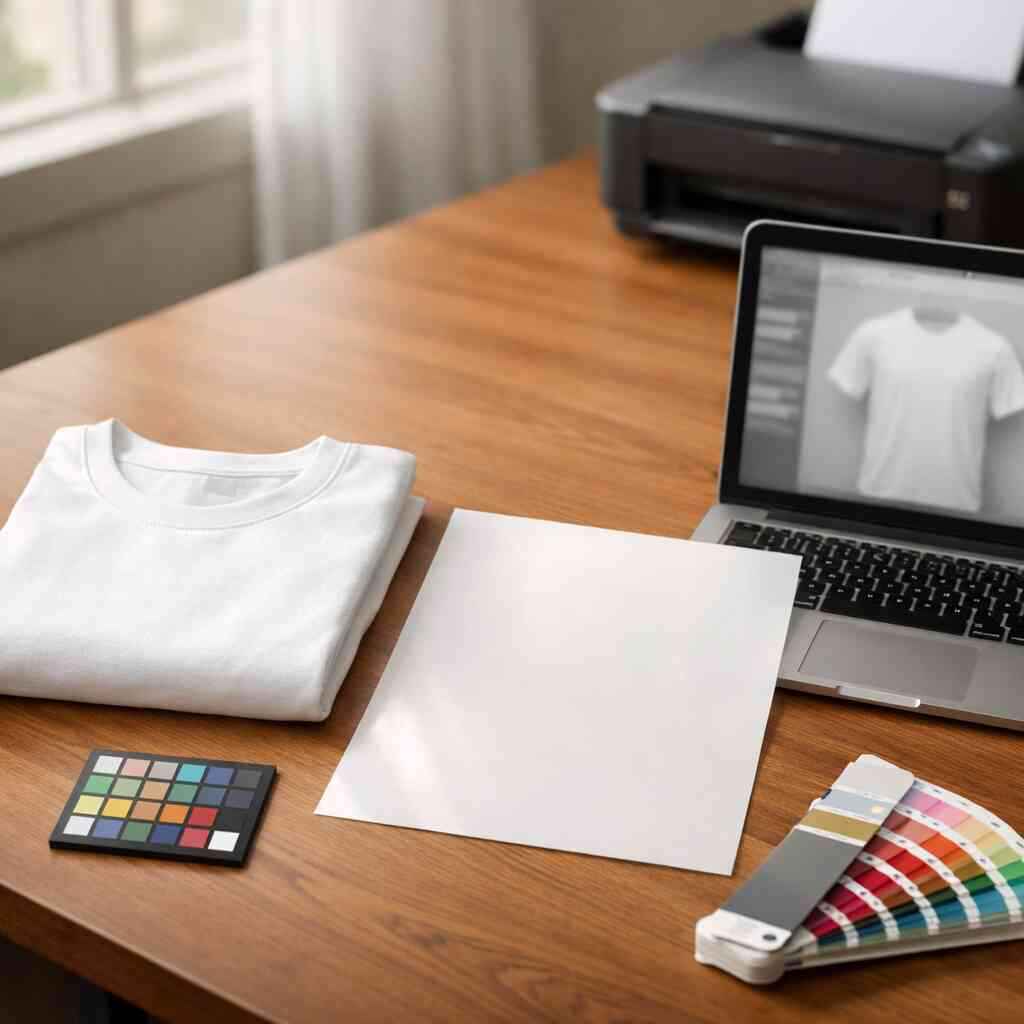
What Is the Difference Between DTG and Direct to Film
DTG printing is best when your design needs a soft feel, sharp detail, and a mostly cotton garment. Direct-to-film printing is usually better when you need more fabric flexibility, stronger coverage on blends, or a wider range of apparel types. If you are trying to choose for custom shirt printing in Commack, that difference matters fast.
Key Takeaways
- DTG, or direct-to-garment printing, prints ink straight onto fabric, so it works best on cotton tees where detail and a soft hand feel matter most.
- Direct-to-film printing prints onto a transfer film first, then heat-presses the image onto the garment, which gives it broader fabric compatibility.
- DTG usually wins on feel and fine detail for one-off or low-quantity custom tees, especially for photo art and soft fashion blanks.
- DTF usually wins on versatility and coverage for hoodies, blends, workwear, and items that need broader material compatibility.
- For custom shirt printing near me searches in Commack, NY 11725, the right choice depends on fabric, artwork, order size, and how the garment needs to wear after washing.
When does DTG beat direct to film and when does it quietly lose the job
DTG beats direct-to-film when you want a soft print on cotton, detailed full-color artwork, and a garment that feels light, not coated. It loses when the fabric is a blend, the garment is dark and heavily textured, or the job needs broader compatibility across many apparel types. That is the honest split most people need.
Why full-color shirt art can look stunning on DTG one day and muddy on DTF the next
DTG can make a photo, gradient, or logo shirt design look clean because the ink sinks into the fibers instead of sitting on top. On a smooth cotton tee, the result can look like part of the shirt. On a less ideal fabric, though, the same art can lose crispness or brightness if the fibers do not absorb the ink evenly.
DTF behaves differently. It lays the image onto a film transfer first, then bonds it to the shirt with heat, so it often holds bold color better on tricky fabrics. That can help with custom hoodies, custom workwear, and custom polo shirts, but it usually feels a little more like a transfer than DTG. If you care most about a soft, natural finish, DTG often wins. If you care most about broad compatibility, DTF often does.
One client came in with a detailed event shirt full of tiny type and a full-color sunset graphic. The original idea looked great on screen, but the garment choice was the real issue. Once we matched the method to the fabric, the print held its shape, and the shirt looked intentional instead of forced.
FactorDTGDirect to FilmBest fabricCottonCotton, blends, many syntheticsFeelSofter, more fabric-likeSlightly more transfer-likeFine detailExcellent on the right blankExcellent, often more forgivingColor on dark garmentsStrong with white ink underbaseStrong with transfer opacityBest use caseCustom tees, soft fashion shirtsHoodies, workwear, mixed garments### The order types that make DTG a smart fit for custom shirt printing in Commack, NY 11725, and the ones that do not
DTG is a smart fit when you need no-minimum custom shirts, a small batch, or a single sample with high detail. It is also strong for print-on-demand style orders, personalized T-shirts, and designs with lots of color variation. In Commack, that makes it useful for quick local runs where the garment count is low but the art still needs to look polished.
DTG is usually not the first choice for heavy-duty custom workwear, broad uniform programs, or jobs that need the same print across many fabric types. It can also be a poor fit if the shirt is not mostly cotton or if you need a finish that survives rough wear on construction shirts or frequent laundering with less visual change. Here is the part most people miss: the print method should follow the garment, not the other way around.
For local pickup in Suffolk County, that matters. A school spirit wear order on soft cotton tees may be ideal for DTG, while a business shirt program with polos, sweatshirts, and hoodies may need a mixed method plan. If you are comparing options for custom shirt printing in Commack, the best answer often comes from the fabric stack, not just the artwork. For more guidance, see How to Choose Custom Shirt Printing in Commack NY and The Difference Between DTG and DTF for Custom Tees.
The print room truths nobody tells you about ink, fabric, and the final feel
The real difference between DTG and direct-to-film starts with how the image is built. DTG uses pretreatment and water-based ink to bond color into the fabric, while DTF builds the image on film first and then transfers it with heat. That changes the texture, the durability feel, and how each method handles dark garments and mixed materials. ### How direct-to-garment printing uses pretreatment, water-based ink, and white ink layers to build color on cotton 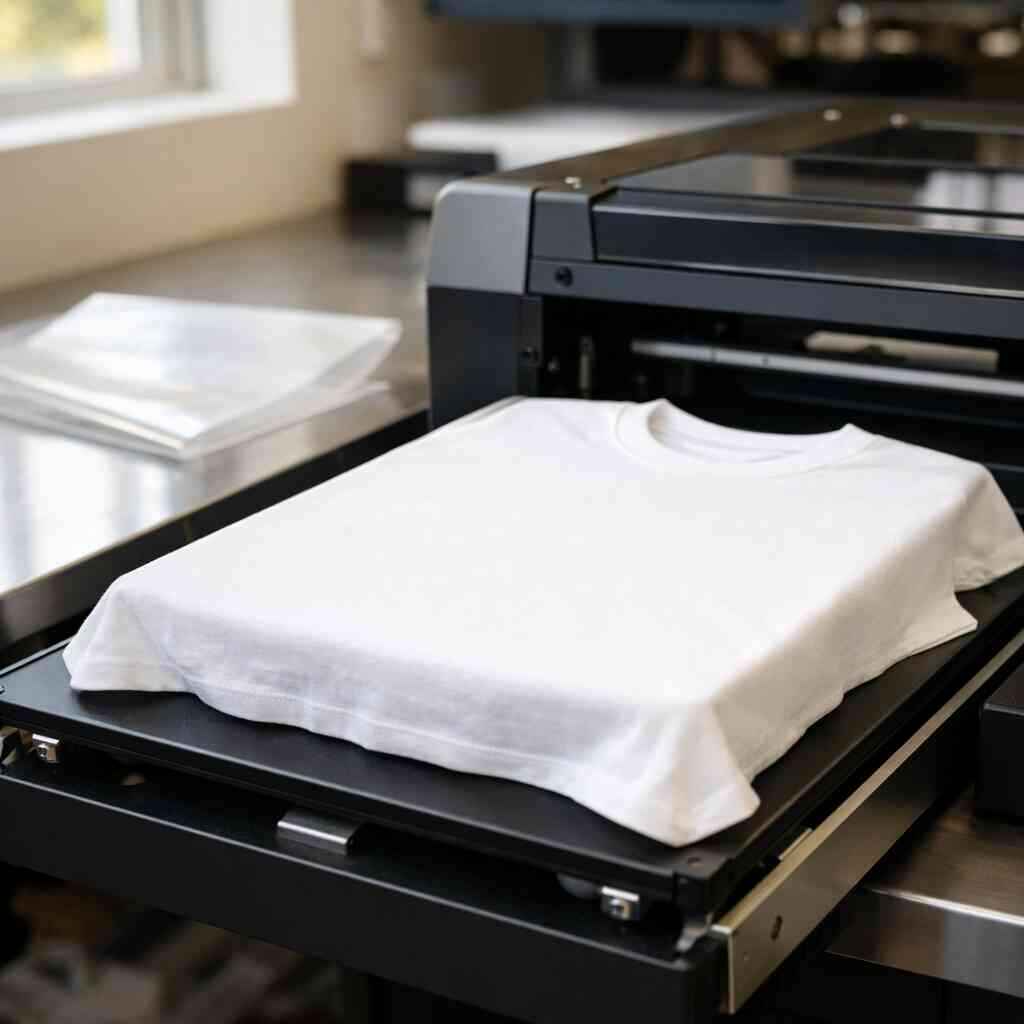
DTG printing usually starts with pretreatment on darker garments. That coating helps the water-based ink sit properly and keeps the colors from disappearing into the shirt. Then the printer lays down white ink first, followed by the color layers. On machines like the Brother GTX Pro, that process can produce sharp results when the garment is the right one.
This is where fabric matters. Cotton absorbs well, so the print can look crisp and smooth. Blends can behave differently because the fibers do not take ink the same way. For durability and wash confidence, shops should pay attention to wash-fastness and crocking testing, like ASTM D5264 and AATCC crocking methods, especially on garments that will be worn often. Water-based inks can also be a good choice for comfort and safety when they are OEKO-TEX Standard 100 certified.
A second real-world example: we once had a rush order for event shirts with small white lettering on black tees. The design looked simple on a mockup, but the shirt choice made the difference. The pretreatment, white underbase, and garment type all had to line up, or the type would have looked gray instead of bright.
If you are designing online, a good online t-shirt designer helps you preview placement, but it cannot replace fabric knowledge. That is why a custom shirt design online tool is only half the job. The other half is choosing the right print method before production starts.
Why direct-to-film printing behaves differently on blends, hoodies, and custom workwear, and what that means for durability
DTF printing behaves differently because the image is formed on film and then applied by heat. That gives it more freedom across fabrics, especially on blends, hoodies, and textured garments where DTG might struggle. It is often a practical choice for custom hoodie design and custom sweatshirt printing because the transfer sits well on a wide range of surfaces.
Durability depends on correct heat, pressure, and wash care. A good DTF transfer can hold up well, but it usually has a different feel than DTG. It may feel slightly more elevated on the garment, while DTG feels closer to the shirt itself. For custom workwear, that tradeoff can be worth it because the image stays more consistent across different fabrics and garment styles.
QuestionDTG answerDTF answerBest for cotton teesYesYesBest for blends and hoodiesSometimesUsually yesSoftest feelUsually yesUsually noEasiest for mixed garment ordersNoYesBest for tiny detail on dark shirtsVery good with proper setupVery good and often more forgivingIf your order includes custom hoodies, custom sweatshirts, custom tote bags, or a mixed stack of business shirts and event shirts, DTF can simplify production. If your order is mostly soft cotton custom tees and you want the print to feel nearly invisible, DTG may be the cleaner answer. For a local custom apparel company serving Long Island custom shirt printing needs, that flexibility is what keeps orders on track.
If you want help choosing between DTG, DTF, screen printing, or embroidery, Custom Shirt Printings can walk you through the tradeoffs at the shop on Jericho Turnpike in Commack or through our print services. For a broader look at options, screen printing services and embroidery services are useful too, especially if your order includes hats, polos, or branded merchandise. You can also review pricing details or call +18337447811 for straight answers before you place the order.
Frequently Asked Questions
Question: In What Is the Difference Between DTG and Direct to Film, which printing method is better for custom tees and no minimum custom shirts?
Answer: DTG printing is usually the better choice when you want soft-feel custom tees, sharp detail, and a mostly cotton garment. It is especially strong for no-minimum custom shirts, personalized T-shirts, and small orders where the artwork has fine lines, gradients, or photo-style detail. Direct-to-film printing is also a strong option, but it tends to be the better fit when you need broader fabric compatibility or a more versatile custom apparel printing solution. If you are ordering from Custom Shirt Printings in Commack, the right answer depends on your fabric, artwork, and how you want the final shirt to feel. Our team can help you compare custom T-shirt options so you get the best result for your order.
Question: How do DTG printing and direct-to-film printing compare for custom hoodie design, custom sweatshirts, and custom workwear?
Answer: Direct-to-film printing is often the more flexible choice for custom hoodie design, custom sweatshirt printing, and custom workwear because it works well on a wider range of fabrics and garment types. DTG printing can still work beautifully on the right cotton garment, but it is generally most effective on smooth, cotton-rich apparel. If your order includes custom hoodies, business shirts, team shirts, or mixed apparel, DTF printing can simplify production because it is more forgiving across blends and textured fabrics. At Custom Shirt Printings, we help you choose the method that best matches the garment, so your final product looks clean, wears well, and fits the purpose of the order.
Question: Can Custom Shirt Printings help me choose between DTG vs DTF for custom shirt printing in Commack and Long Island custom shirt printing orders?
Answer: Yes, absolutely. If you are searching for custom shirt printing in Commack or Long Island custom shirt printing near me, we can help you decide whether DTG printing, direct-to-film printing, screen printing, or embroidery makes the most sense for your project. The best method depends on the garment type, quantity, artwork style, and how the apparel will be used. For example, custom tees and school spirit wear may be a strong fit for DTG, while custom polo shirts, custom hoodies, custom sweatshirts, or custom workwear may benefit from direct-to-film or even embroidery. We also offer free design help and can assist with logo shirt design, upload artwork, and custom shirt design online support so your order starts off the right way.
Question: How does Custom Shirt Printings handle t-shirt mockup and printing for full-color apparel printing and logo shirt design?
Answer: We make it easy to move from concept to finished product with t-shirt mockup and printing support, whether you are creating custom tees, event shirts, family reunion shirts, or promotional apparel. For full-color apparel printing, DTG printing is often ideal when you want soft, detailed results on cotton garments. Direct-to-film printing can be a better fit when the order includes blends, hoodies, tote bags, or other apparel types that need broader compatibility. If you have vector art conversion needs, are uploading a logo, or need help refining your custom shirt design online, we can guide you through the process so the final print is aligned with your goals. Our focus is on helping you create high-quality custom shirts that look professional and feel right for the wearer.
Question: What other custom apparel options do you offer besides DTG printing and direct-to-film printing?
Answer: Custom Shirt Printings offers a range of custom apparel and decoration options beyond DTG printing and direct-to-film printing. Depending on your project, you may also want screen printing, embroidery, or other custom decoration methods for items like custom hats, custom embroidered caps, custom tote bags, custom polo shirts, custom youth shirts, custom long sleeve shirts, and branded merchandise. That flexibility is especially helpful for company apparel, school spirit wear, church apparel, sports orders, and promotional giveaways. If you are not sure which method is best, we can help you compare custom shirt options and choose the one that fits your artwork, fabric, quantity, and budget goals without making guesses about turnaround or pricing.