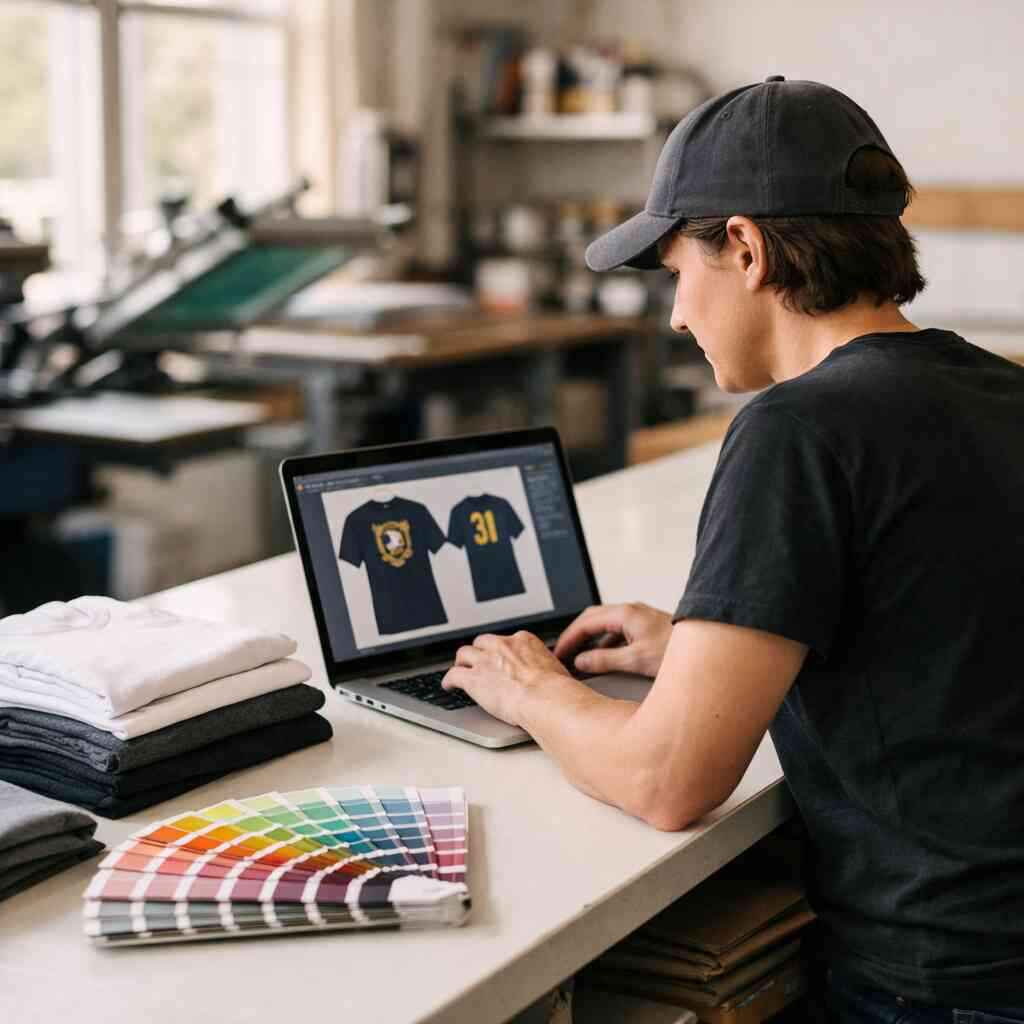
What Is the Best Print Method for Custom Apparel
The best print method for custom apparel depends on your fabric, artwork, order size, and deadline. For most bulk custom tees and company apparel, screen printing is usually the strongest value; for small runs, full-color art, and custom shirt design online, DTG printing often makes more sense.
If you feel stuck, that is normal. The cheap option is not always the right one, and the wrong method can leave you with cracked prints, muddy colors, or a shirt that does not wear well.
Key Takeaways
- Screen printing is usually the best choice for bulk custom tees, team shirts, event shirts, and company apparel because it is durable and cost-effective at higher quantities.
- DTG printing works best for detailed art, photo-style designs, and small orders when you want soft-feel prints on cotton garments.
- Fabric matters: cotton, blends, performance wear, and custom hoodies each react differently to screen printing, DTG, embroidery, heat transfer, and direct-to-film.
- Vector art conversion, Pantone matching, and the right underbase protect logo shirt design and color accuracy before production starts.
- If you need help deciding, a good custom apparel company in Commack or anywhere on Long Island should explain the tradeoffs clearly before you place the order.
Why the cheapest print method can wreck your custom apparel order
The cheapest print method is not always the best print method for custom apparel. The right choice depends on how many pieces you need, how detailed the artwork is, and how the garment will be worn and washed. A method that looks affordable upfront can cost more if it fails on color, durability, or turnaround.
A lot of customers come in thinking they want one process because they saw it online. Then they realize their design has too many colors, or their order is only 12 shirts, or the fabric is a performance blend that does not behave like a basic cotton tee. That is where experience matters.
When screen printing is the right hammer for bulk custom tees and company apparel
Screen printing is usually the best fit for larger orders, bold logos, and repeat designs on custom tees, business shirts, team shirts, event shirts, and school spirit wear. It lays down ink cleanly, holds up well over time, and becomes more efficient as the quantity goes up. For wholesale custom shirts and promotional apparel, it is often the most practical answer.
Here is the part most people miss: screen printing rewards planning. If your art is set up correctly, the results are excellent. If not, production slows down. That is why proper vector art conversion, Pantone matching, and underbase printing matter so much for logo shirt design and branded merchandise.
MethodBest forStrengthsLimitsScreen printingBulk custom tees, company apparel, team shirtsDurable, strong color, efficient at scaleLess economical for tiny orders with many colorsDTG printingSmall runs, detailed art, custom shirt design onlineSoft feel, full-color detailWorks best on cotton and lighter production runsIf you want to compare it with embroidery for polos, caps, or workwear, our screen printing guide is a useful starting point, and so is our comparison of screen printing and embroidery.
Why DTG printing wins on detailed art, small runs, and custom shirt design online
DTG printing, also called direct to garment, is usually the better choice when your design has fine detail, gradients, or photo-like color. It shines on small orders because there is less setup than traditional screen printing, which makes it a smart fit for personalized t-shirts, family reunion shirts, charity shirts, and custom baby onesies.
On cotton garments, DTG can produce a very soft hand feel with excellent detail. The process relies on pretreatment, especially on darker shirts, so the printer can bond the ink properly. On modern equipment like a Brother GTX Pro, the print is fast and consistent when the file is prepared correctly. For a deeper look, see our DTG service page and our DTG vs. screen guide.
A local client once came in with a single-color logo and three versions of the same design for a small staff rollout. Screen printing would have worked, but DTG let them test the layout first without overcommitting to a large run. That is a common win for custom shirt printing in Commack when the order is modest and the art needs fine detail.
How your fabric, artwork, and order size quietly decide the winner
The best print method changes when the garment changes. Cotton, polyester, blends, fleece, and structured items like custom hats or polos all behave differently under heat, ink, and thread. Your artwork and quantity then narrow the field even more. 
If you are ordering custom apparel in Commack or across Suffolk County, the right method often becomes obvious once you match those three factors together. That is why an honest shop will ask questions before recommending anything.
Which custom t-shirt options behave best on cotton, blends, performance wear, and custom hoodies
Cotton is the easiest surface for many decoration methods, especially DTG printing and screen printing. Cotton tees, custom long sleeve shirts, custom v-neck tees, and custom youth shirts usually give you the broadest set of choices. Performance wear, on the other hand, can be trickier because moisture-wicking fabrics may need special ink or a different decoration method.
Blends and fleece often lean toward screen printing, heat transfer, or embroidery depending on the design. For custom hoodies, custom sweatshirts, and custom hoodie design projects, embroidery can be excellent for a premium look, while screen print or direct-to-film can work well for bigger graphics. If you are shopping for blanks, product pages like Next Level long sleeves and embroidered hoodies show how garment choice changes the final result.
- Cotton: best for DTG printing and screen printing
- Blends: flexible, but test the finish on detailed art
- Performance wear: often better with heat transfer or direct-to-film
- Fleece and hoodies: strong candidates for embroidery or larger prints
The best shops also think about wear and wash. Independent testing standards like ASTM D5264 for wash-fastness and AATCC crocking tests help evaluate how prints hold up, and that matters if your shirts will be used often. For broader consumer and business context, the U.S. Census business data resource is useful when you are thinking about how many branded items your organization actually needs.
When embroidery, heat transfer, or direct to film beats direct to garment vs. screen printing
Embroidery wins when you want a polished, dimensional look on custom polo shirts, custom hats, custom embroidered caps, or custom workwear. It is a strong choice for businesses, churches, construction crews, and hospitality teams because it feels durable and professional. Flat embroidery is standard, while 3D puff embroidery is better for bold cap logos.
Direct-to-film, often shortened to DTF, is useful when you need flexibility across garment types or want bright color on tricky fabrics. Heat transfer can also be a smart solution for names, numbers, and smaller runs. For design-driven orders, our DTF comparison can help you decide whether DTF, screen printing, or embroidery makes the most sense.
One school spirit wear order we handled needed shirts, a few polos, and matching tote bags. The logo was simple, but the materials were not. We used screen printing for the tees, embroidery for the polos, and a transfer method for the bags so the whole package stayed consistent without forcing one method onto every item.
MethodBest itemsBest use caseEmbroideryPolo shirts, hats, workwear, sweatshirtsProfessional, durable brandingHeat transferNames, numbers, short runs, mixed fabricsFlexibility and speedDirect-to-filmCotton, blends, mixed garmentsBright color on many fabric typesIf your order includes custom tote bags, custom aprons, custom bandanas, or custom drawstring bags, the right technique can change item by item. That is normal. It is also why a good custom apparel company on Long Island should talk through your deadline, budget, and pickup needs before you commit.
For Commack NY custom printing, order setup matters as much as the press. If you need help with art files, an online design tool can speed things up, and our Commack location page has pickup details for local orders in 11725 and across Suffolk County.
If you are trying to balance custom shirt pricing, fast turnaround printing, and the right finish, the smartest move is to get the artwork reviewed before production starts. A clean file, the right garment, and the right method save time. You do not have to guess your way through it.
Frequently Asked Questions
Question: What is the best print method for custom apparel if I need custom tees, company apparel, or event shirts for a larger order?
Answer: For most larger orders, screen printing is usually the strongest choice because it is durable, consistent, and cost-effective when you need bulk custom tees, business shirts, team shirts, or promotional apparel. It works especially well for bold logo shirt design, school spirit wear, and branded merchandise where you want solid color and a clean finish. At Custom Shirt Printings in Commack, we can help review your artwork, recommend the right print method, and guide you through setup details like vector art conversion and Pantone matching so your final shirts look professional. If you are ordering custom shirts online or need custom shirt printing near me on Long Island, screen printing is often the best place to start.
Question: When is DTG printing a better option than screen printing for custom shirt design online?
Answer: DTG printing, also called direct to garment, is often the better option when your design has fine detail, gradients, or photo-style artwork, especially if you only need a small run of personalized t-shirts. It is a strong choice for custom baby onesies, family reunion shirts, charity shirts, and other custom apparel projects that need full-color detail without a large setup. Because DTG printing works best on cotton garments, it is a great fit for many custom tees and custom long sleeve shirts. If you are comparing direct to garment vs screen printing, our team can help you decide based on your fabric, order size, and artwork so you get the best result for your budget and timeline.
Question: What should I know about custom hoodies, custom polo shirts, and custom hats before choosing embroidery, heat transfer, or direct-to-film?
Answer: Different garments call for different decoration methods, and that is why Custom Shirt Printings offers multiple options for custom apparel. Embroidery is a great fit for custom polo shirts, custom hats, custom embroidered caps, and custom workwear when you want a polished, professional look. Flat embroidery is ideal for clean branding, while 3D puff embroidery can make cap logos stand out more. For custom hoodies, custom sweatshirts, and custom hoodie design projects, screen printing or direct-to-film can be excellent when you want larger graphics, while heat transfer can be a smart choice for names, numbers, or mixed fabric needs. If you are unsure which method fits your custom apparel company order, we can walk you through the differences clearly before you place your order.
Question: Can Custom Shirt Printings help with custom shirt printing in Commack if I need no minimum custom shirts or rush order t-shirts?
Answer: Yes, we can help with a wide range of order sizes, including smaller runs, no minimum custom shirts, and projects that need fast turnaround printing. The best method depends on the artwork, fabric, and quantity, so we always recommend reviewing your design before production begins. If you are creating your own shirt online or using our design your own t-shirt process, we can help with file review, upload artwork support, and guidance on the best decoration method for your goals. Whether you need custom shirt printing in Commack, 11725 custom shirts, or Long Island custom shirt printing for team shirts, custom tote bags, or promotional giveaways, our goal is to make the process simple and dependable.
Question: How do I choose the right custom t shirt options for cotton, blends, performance wear, or custom youth shirts?
Answer: Fabric is one of the biggest factors in choosing the best print method for custom apparel. Cotton is usually the easiest for screen printing and DTG printing, while blends may need a little more planning depending on the design. Performance wear can require a different approach, especially if you want a clean finish that holds up well with wear and washing. Custom youth shirts, custom v-neck tees, custom raglan shirts, custom tank tops, and custom long sleeve shirts can all be decorated well, but the best method depends on the garment and the artwork. At Custom Shirt Printings, we help customers choose between screen printing, embroidery, heat transfer, and direct-to-film so they can get high-quality custom shirts that match the project.