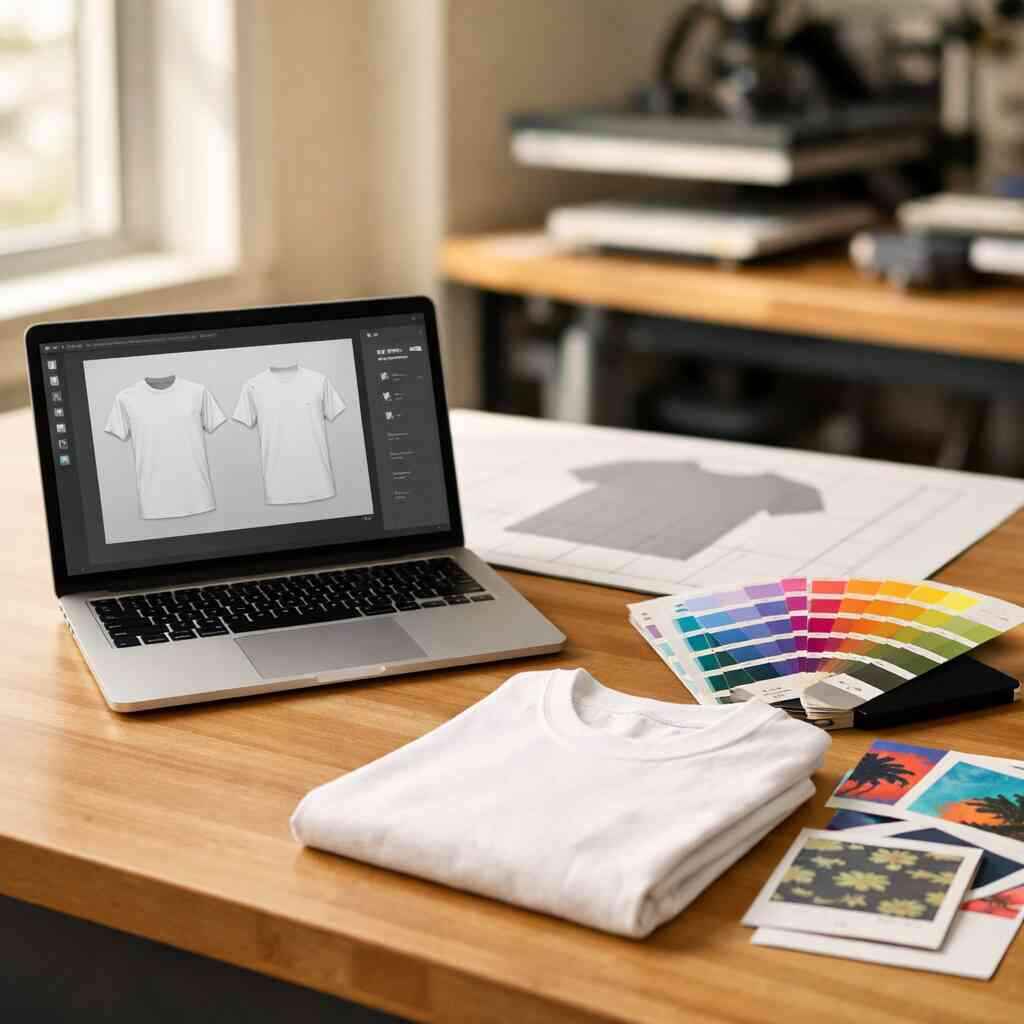
How to Choose Custom Shirt Printing in Commack NY
If you need custom shirt printing in Commack, choose a shop that gives you a clear quote, recommends the right print method for your artwork, and helps with file setup before production starts. The cheapest quote often leaves out artwork fixes, color changes, or rush handling, and that is where the real cost shows up.
Key Takeaways
- A good custom shirt printing quote should clearly spell out the garment type, print method, number of colors, placement, setup, and any artwork help before you compare shops.
- Screen printing is usually the strongest choice for larger runs, while DTG printing and direct-to-garment work better for smaller orders and detailed art.
- Embroidery, direct-to-film, and heat transfer solve different problems, especially for custom hats, custom polo shirts, custom hoodies, and custom workwear.
- File prep matters. Logo shirt design, vector art conversion, and Pantone matching can make the difference between a sharp shirt and a disappointing one.
- If you want custom shirt printing near me in Commack NY 11725, ask about minimums, pickup, and whether the shop offers free design help before you place the order.
Why the cheapest quote can become the most expensive shirt order in Commack
The cheapest quote is not always the best deal for custom shirt printing in Commack. A real quote should tell you exactly what is included, what can change the price, and what happens if your art needs work. If that is missing, you may save a little upfront and pay more later.
A strong shop will also explain the difference between custom tees, custom apparel, and specialty items like custom tote bags or custom embroidered caps. If you are comparing Long Island custom shirt printing providers, look for clarity first and price second. That is the best way to avoid surprises.
What a real custom shirt printing quote should include before you compare shops
A useful quote should break down the basics in plain language. You want to know the garment, the decoration method, the imprint size, the number of print locations, and whether setup is included. If a shop offers bulk t-shirt discounts or wholesale custom shirts, that should be stated clearly.
Here is the part most people miss: art prep can be the hidden line item. If your logo is low resolution, not vector, or built in the wrong color mode, the shop may need vector art conversion or logo digitizing before it can print cleanly. That is true for custom shirt design online orders and in-store jobs alike.
A good local shop will also tell you whether your order is better for screen printing, DTG printing, embroidery, or direct-to-film. If you are placing an order custom shirts online request, the quote should match what you see in the t-shirt mockup and printing step. For a deeper look at how shirts are planned and produced, see Category Finding Custom Printing Services.
How hidden costs show up in rush order t-shirts, artwork fixes, and color changes
Hidden costs usually show up in three places: speed, art, and color. Rush order t-shirts can require special scheduling, and that may change which methods are available. Artwork fixes can add time too, especially if the file needs cleanup before the job can go to press.
Color changes are another place people get caught off guard. A two-color logo can become a four-color build if the art is not prepared correctly, and that affects screen count, setup, and sometimes the final look. In screen printing, every extra color can add complexity; in DTG, the issue is usually file quality and garment choice instead.
One small business owner came in with a last-minute order for team shirts for a local event. The quote they had from another shop looked lower, but it did not include art cleanup or the deadline they needed. After we rebuilt the file and adjusted the method, the job was no longer cheap, but it was actually deliverable.
If you want a useful benchmark for production methods and cost factors, the FTC’s guidance on clear advertising and claims is a good reminder to ask direct questions before you buy: FTC advertising guidance. That kind of clarity matters when you are shopping for cheap custom shirts without sacrificing quality.
Which print method actually fits your order instead of just sounding good
The right method depends on your garment, artwork, quantity, and deadline. Screen printing is best for many larger orders with bold art. DTG printing and direct-to-garment are often better for small runs or detailed images. Embroidery, heat transfer, and direct-to-film each solve different apparel problems.
If you are comparing Long Island custom shirt printing options, do not ask only, “What is cheapest?” Ask, “What method gives me the best finish for this item?” That question will save you money and disappointment.
When screen printing beats DTG printing for Long Island custom shirt printing
Screen printing usually beats DTG printing when you need strong color, repeatable results, and a larger order count. It is a smart fit for event shirts, school spirit wear, company apparel, and many custom workwear orders. It also holds up well on simple logos, team names, and bold graphics. 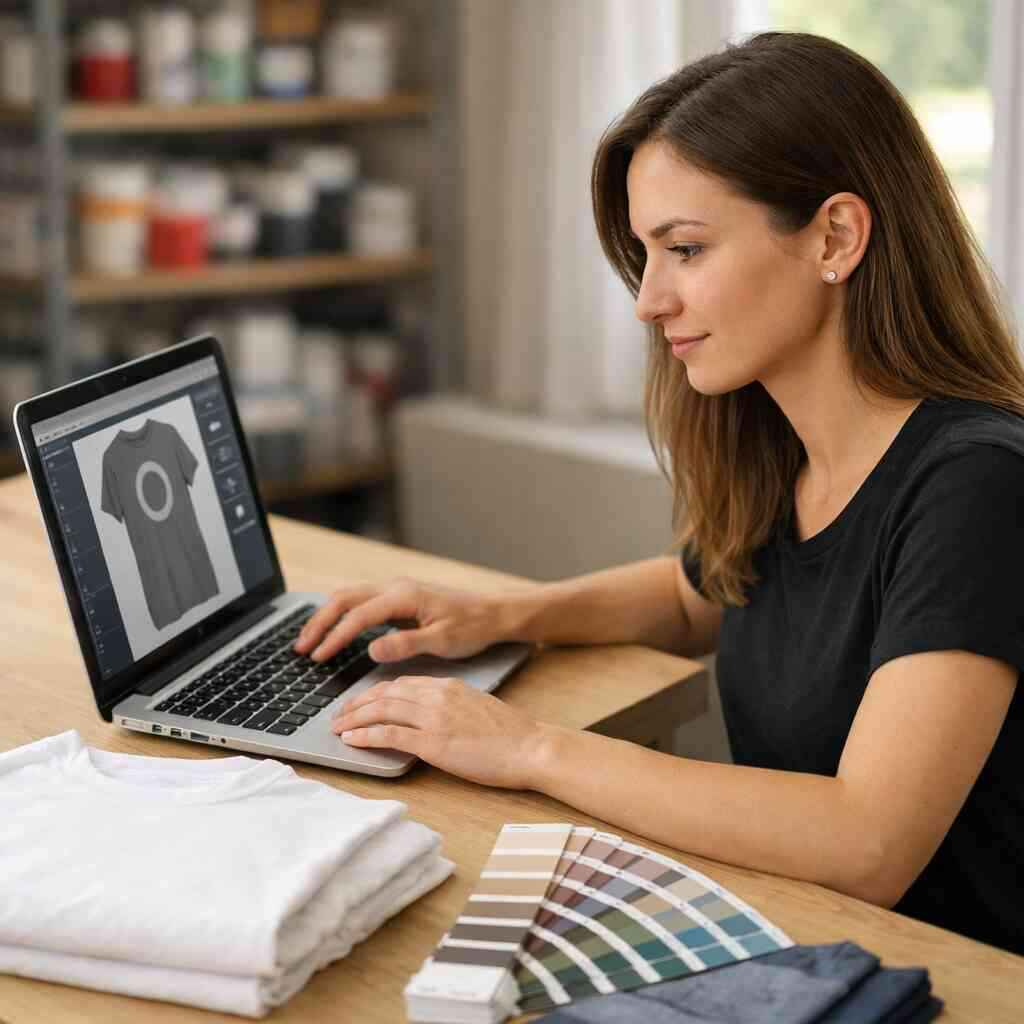
DTG is different. It prints directly onto the fabric and is often a better match for full-color artwork, short runs, or orders that need fewer setup steps. A Brother GTX Pro-style platform, paired with proper pretreatment, can lay down detailed art cleanly on the right garments. Still, DTG is not always the best fit for thick fleece or dark apparel with heavy color coverage.
MethodBest forStrengthsWatch-outsScreen printingLarger runs, bold logos, eventsDurable, efficient, sharp spot colorsLess ideal for very detailed photosDTG / direct to garmentSmall runs, detailed artworkGreat detail, low setup for short ordersBest on the right fabric and colorDirect-to-filmMixed apparel, flexible placementWorks on many garments, strong colorCan feel different from ink on fabricHeat transferNames, numbers, short-run personalizationFast, versatile, good for variable dataNot always the softest hand feelFor a side-by-side view, our The Difference Between DTG and DTF for Custom Tees guide helps explain where each method fits best. If you want to compare output more closely, our screen printing service page is also useful.
Why embroidery, direct-to-film, and heat transfer each solve different apparel problems
Embroidery is the right answer for many custom hats, custom polo shirts, and custom hoodies when you want a polished, professional look. It works especially well for business shirts, custom embroidered caps, and heavier garments that benefit from texture and depth. A good embroidery file may need logo digitizing, and small type can require simplification.
Direct-to-film is helpful when you want strong color on a broader range of fabrics. It is a practical option for custom sweatshirts, custom long sleeve shirts, and custom youth shirts when screen printing is not the best fit. Heat transfer is often used for names, numbers, or personalized apparel where each piece changes.
Decoration methodBest use caseWhy people choose itEmbroideryHats, polos, jacketsDurable, professional, texturedDirect-to-filmFlexible garment typesBold color, adaptable placementHeat transferPersonalized names and numbersFast and versatileIf you are comparing apparel decoration methods for a team, corporate group, or school order, our embroidery services page is a good starting point. For a broader look at decoration choices, see The Difference Between DTG and Screen Printing for Brands.
The details that separate decent custom tees from shirts people actually keep wearing
The shirts people keep wearing are usually the ones that were planned well before printing started. Clean artwork, correct color matching, and the right garment choice all matter. If those details are ignored, even a good print method can produce an average result.
This is where logo shirt design, Pantone matching, and vector art conversion do real work. They protect your design from blur, color drift, and awkward placement. The best-looking custom tees usually come from a shop that asks questions before it prints.
How logo shirt design, Pantone matching, and vector art conversion protect your artwork
If your logo is being printed on custom t-shirt options like custom v-neck tees, custom raglan shirts, or custom tank tops, the art file has to be built for production. A vector file stays clean at any size. A low-resolution image does not. That is why vector art conversion is so important for custom shirt design online orders.
Pantone matching matters when brand consistency matters. If your school, business, or nonprofit already uses a defined color, a shop should be able to work toward that target rather than guessing. For finer control, a spectrophotometer can help measure color more consistently across reorders and different garment bases.
Here is a simple rule: if the logo has fine text, gradients, or tight borders, do not rely on a quick screenshot. Upload the best file you have, and ask for free design help if you need it. Our design your own custom t-shirts guide explains how to start cleanly, and the direct-to-garment printing page shows where DTG fits for detailed art.
A local church group once brought in artwork that looked fine on a phone, but the letters would have broken apart at print size. We rebuilt it as vector art, matched the colors more closely, and the final personalized t-shirts came out much sharper than the original mockup suggested. That is the difference file prep makes.
If you are comparing providers for custom shirt printing near me in Commack NY, choose the shop that explains the art process before it starts production. Custom Shirt Printings at 1139-7 Jericho Tpk. serves Commack, Suffolk County, and the wider Long Island area with custom apparel, custom hoodies design, custom polo shirts, custom hats, and custom tote bags. If you want a quote or help with your file, call +18337447811 and ask what method fits your order best.
Frequently Asked Questions
Question: How do I choose the right custom shirt printing method for my order in Commack NY?
Answer: The best method depends on your artwork, garment type, quantity, and how you want the final piece to look and feel. For larger runs with bold graphics, screen printing is often a strong choice. For smaller quantities or detailed artwork, DTG printing and direct to garment can be a better fit. If you need polished branding for business shirts, custom polo shirts, or custom hats, embroidery may be the right option. At Custom Shirt Printings in Commack, we help you compare the available apparel decoration methods so you can choose the one that fits your goals instead of guessing. If you are trying to decide between direct-to-film, heat transfer, and screen printing, our team can explain the differences clearly before production starts.
Question: What should a custom shirt printing quote include before I order custom shirts online?
Answer: A proper quote should clearly list the garment style, print method, number of ink colors, print placement, setup details, and whether artwork help is included. If you are looking at custom shirt pricing for custom tees, custom sweatshirts, or promotional apparel, you should also ask about minimum order, rush order t-shirts, and any artwork cleanup that may be needed. A low quote can become more expensive if it leaves out vector art conversion, logo digitizing, or color matching. Custom Shirt Printings helps customers review these details upfront so there are fewer surprises later. That is especially helpful when you are comparing cheap custom shirts, wholesale custom shirts, and bulk t-shirt discounts.
Question: Can you help with logo shirt design, vector art conversion, and Pantone matching for my custom apparel?
Answer: Yes, artwork prep is one of the most important parts of a successful custom shirt printing order. If your file is blurry, low resolution, or not set up correctly, it may need vector art conversion before it can be printed cleanly. For brands, schools, and organizations that need consistent colors, Pantone matching can help keep your custom apparel looking uniform across reorders. This matters for logo shirt design on custom tees, custom long sleeve shirts, custom v-neck tees, and event shirts, as well as for custom embroidered caps and custom workwear. At Custom Shirt Printings, we can review your file and let you know whether it is ready to print or needs adjustments first. If you want to create your own shirt and upload artwork, we can help guide you through the process.
Question: Is there a difference between direct to garment and screen printing for custom tees and school spirit wear?
Answer: Yes. Direct to garment and screen printing are both popular, but they work best in different situations. Screen printing is usually ideal for larger orders, simple logos, and school spirit wear that needs durable, repeatable results. Direct to garment is often better for smaller runs, full-color art, and detailed images on custom tees or custom hoodies. If you are comparing direct-to-garment vs screen printing for company apparel, team shirts, or family reunion shirts, we can explain how each method affects the look, feel, and production setup. Custom Shirt Printings offers both options, so you can choose the method that matches your artwork and order size instead of forcing the wrong process.
Question: Do you offer custom shirt printing near me in Commack NY 11725 with free design help?
Answer: Yes, Custom Shirt Printings is located at 1139-7 Jericho Tpk. in Commack and serves Long Island, Suffolk County, and the surrounding area. If you are searching for custom shirt printing near me, custom print shop Commack, or Commack NY custom printing, we can help with custom apparel for businesses, schools, charities, churches, and local events. We also assist with free design help, online t-shirt designer support, t-shirt mockup and printing, and artwork setup for custom hats, custom tote bags, custom baby onesies, custom sports jerseys, and more. Whether you need fast turnaround printing, personalized t-shirts, or branded merchandise, our team is here to help you choose the right product and decoration method for your order.