Top 5 DTG Printing Tips for 2026 Custom Shirt Printings
You need shirts that look sharp, arrive fast, and hold up after the wash. We get that. When people search for custom shirt printing, they usually want three things: quality, speed, and a fair price. At Custom Shirt Printings in Commack, Long Island, we see that every day from teams, businesses, schools, and families. So let’s break down the five DTG printing tips that matter most for clean results and fewer headaches.
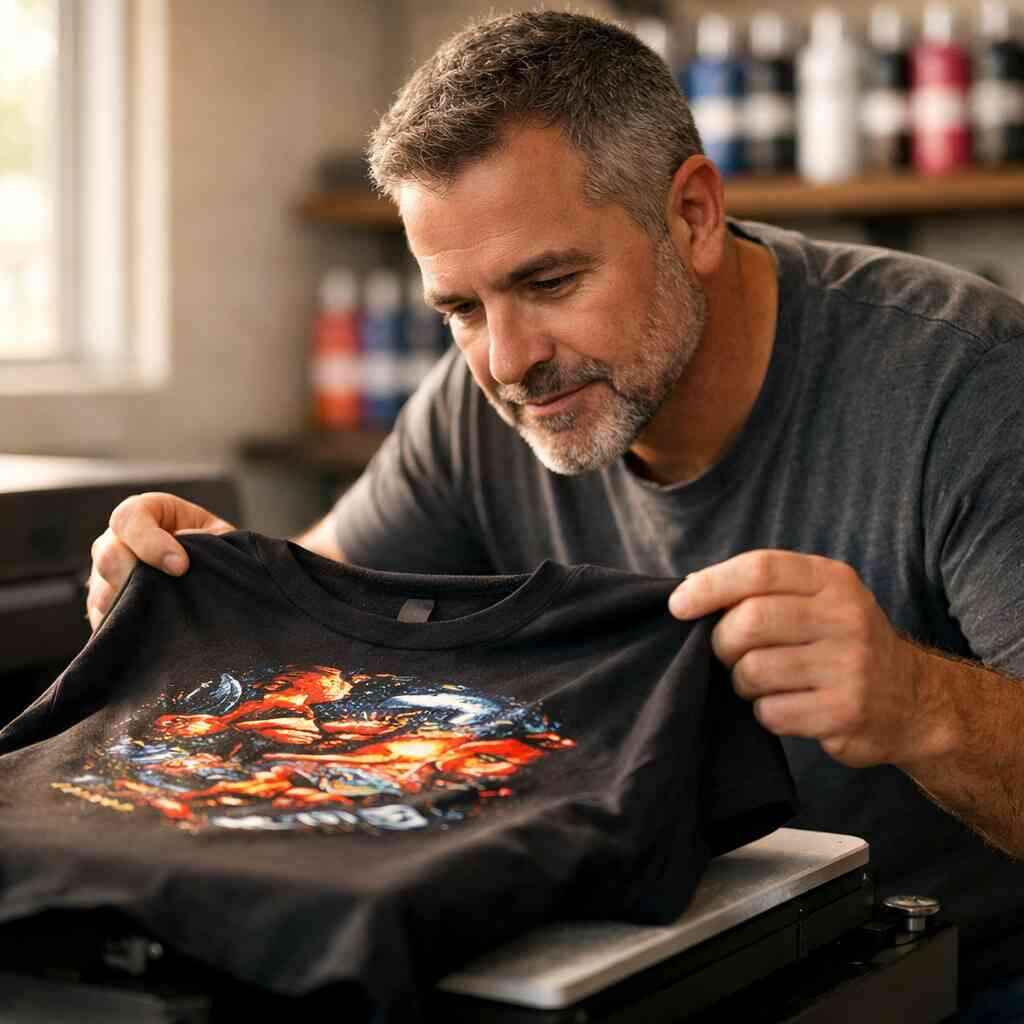
Brother GTX Pro Direct to Garment Printing
Why on-site Brother GTX Pro machines matter for fast turnaround in Commack and across Long Island
When you need DTG printing tips for custom shirts in Commack and on Long Island, on-site equipment changes everything. A Brother GTX Pro lets us print in-house, so we do not wait on third-party fulfillers. That means fewer shipping delays and better control over every order. For customers in Commack, Suffolk County, and across Long Island, that speed matters. It is especially useful for rush order t-shirts, no minimum custom shirts, and last-minute event shirts.
The GTX Pro also helps us keep quality tight from start to finish. We can check the file, prep the garment, print, cure, and inspect the result in one place. That workflow is ideal for custom tees, business shirts, school spirit wear, and family reunion shirts. If you are comparing custom shirt printing near me options, local production is a real advantage. It keeps communication simple and turnaround time honest.
How pretreatment, print resolution, and color management keep DTG prints sharp on cotton and cotton blends
DTG works best when the garment is prepared correctly. Pretreatment helps the ink sit on the fabric instead of sinking in too fast. That matters on dark shirts, cotton blends, and detailed logo shirt design jobs. With the right print resolution, fine lines, gradients, and faces stay crisp. Color management keeps the design looking like the proof instead of a guess.
We also rely on the direct to garment printing for fast custom apparel orders in Commack NY workflow to keep production consistent. High-resolution DTG prints can deliver photo-realistic shirt printing with a soft hand feel. That is a big reason many customers choose custom shirt design online for one-off pieces or smaller runs. It works well for personalized t-shirts, company apparel, and branded merchandise. For the right file, DTG can look cleaner than many people expect.
Best uses for photo-realistic custom tees, business shirts, event shirts, and school spirit wear
DTG shines when the artwork has detail. It handles photos, shaded graphics, watercolor effects, and complex logos very well. That makes it a strong choice for custom tees, event shirts, and school spirit wear. It also works nicely for business shirts that need a clean logo without a heavy ink feel. If you want a soft, wearable print, DTG is a smart pick.
Many customers also use DTG for custom hoodies, custom long sleeve shirts, and custom sweatshirts. Smaller school orders and local fundraiser apparel are good fits too. Because there is no screen setup, the process moves quickly for short runs. That is why many people choose custom shirt printing services for tees, hoodies, and workwear on Long Island when they need flexibility. It is practical, fast, and easy to scale for a mix of garments.
When direct to garment beats screen printing for short runs, no minimum custom shirts, and rush order t-shirts
DTG usually wins when quantity is low and detail is high. If you only need a few custom tees, screen printing setup can be more work than it is worth. DTG avoids screens, so there is no lengthy prep time. That is a major reason people love no minimum custom shirts. It also helps when a rush order t-shirts deadline lands in your lap.
Screen printing still has its place, but DTG can be the better choice for quick, detailed jobs. It is often the cleaner answer for one-off gifts, sample runs, and personalized t-shirts with names. If you want to choose between DTG and screen printing in Commack, think about quantity and artwork complexity first. For short runs, DTG is usually simpler and faster. For many customers, that simplicity saves both time and stress.
How OEKO-TEX certified water-based ink and proper curing improve soft-hand durability and wash fastness
Ink quality matters as much as the printer. We use OEKO-TEX certified water-based ink for a softer feel and safer wear. That is especially important for kids, school spirit wear, and custom apparel for churches. These inks help create eco-friendly printing results without the stiff texture people dislike. They also support high-quality custom shirts that feel good on the body.
Proper curing locks the print in place. If the curing step is rushed, the print can fade, crack, or wash out early. Good curing improves wash fastness and stretch resistance. It also keeps the print soft instead of plastic-like. For custom shirt printing in Commack, that balance of comfort and durability is what customers notice most.
Garment Pretreatment and Fabric Compatibility
Which shirts take DTG best including 100 percent cotton, cotton blends, custom hoodies, and custom long sleeve shirts
Fabric choice shapes the final print more than many people realize. DTG performs best on 100 percent cotton because the fibers accept water-based ink well. Cotton blends can also work, especially when the blend is DTG-ready. Custom hoodies and custom long sleeve shirts can print beautifully too, as long as the fabric is compatible. The right base gives you cleaner detail and better color hold.
We often guide customers toward custom short sleeve and long sleeve t-shirts for DTG-ready apparel when they want reliable results. Ring spun cotton usually gives a smoother surface than standard cotton. That smoother face supports better sharpness for custom tees and personalized t-shirts. If you want soft-hand custom printing, fabric texture matters. The right shirt makes the print look more expensive right away.
How pretreatment changes ink adhesion for dark garments and custom apparel with high detail artwork
Pretreatment is a major part of DTG success on dark garments. It helps white ink stay on the surface and prevents the design from sinking into the shirt. That makes fine details, edges, and highlights stay visible. Without it, artwork can look dull or blurry. On custom apparel with high detail artwork, pretreatment is non-negotiable.
We also use custom shirt printing samples for print quality and fabric testing when a job needs extra care. Samples show how a fabric reacts before the full run begins. That is helpful for custom hoodies, custom v-neck tees, and custom raglan shirts. It also helps customers compare what works best across styles. A little testing can save a lot of disappointment later.
What fabric issues cause fading, fuzzing, or muddy prints on custom tees and personalized t-shirts
Some shirts fight the print process. Loose weaves can let ink spread too much, which makes artwork look muddy. Heavy fuzz on low-grade fabric can blur fine lines. Moisture, lint, and uneven surfaces can also cause fading or weak color. Those problems show up fast on custom tees and personalized t-shirts.
The fix starts with better fabric selection and better prep. If a shirt pills easily, the print may look tired after just a few washes. If the weave is too open, small text can lose clarity. That is why our custom shirt printing catalog for high-quality tees, sweatshirts, and hoodies matters so much. It helps customers choose garments that support the art, not fight it.
How to choose between standard cotton, ring spun cotton, and performance fabrics for custom shirt printing in Commack
Standard cotton is affordable and common, but it is not always the best canvas. Ring spun cotton feels smoother and usually prints cleaner. Performance fabrics are trickier because they are often made for moisture control, not ink absorption. If you want custom shirt printing in Commack that looks polished, fabric choice should match the print method. DTG and performance fabric do not always get along.
Fabric TypeDTG ResultBest UseStandard cottonGoodCheap custom shirts, event teesRing spun cottonExcellentCustom tees, business shirtsPerformance fabricLimitedAthletic wear, select custom sports jerseysThat simple chart can save a lot of guesswork. It also helps when you need bulk t-shirt discounts or wholesale custom shirts. The best fabric depends on the art, the budget, and the wear style. If you are unsure, ask for free design help and fabric guidance before ordering.
Why fabric testing matters for custom shirt printing near me, especially for bulk t-shirt discounts and wholesale custom shirts
Testing matters because every shirt lot can behave differently. Even the same brand can change slightly from one production run to another. That is why custom shirt printing near me is more than just convenience. It gives you a local team that can check quality before the full order moves ahead. That is especially important for bulk t-shirt discounts and wholesale custom shirts.
For larger jobs, fabric testing protects your budget. A small test print can reveal shrinkage, texture issues, or color shifts. It can also confirm whether a garment is right for company apparel or event merchandise. If you need consistent results across many sizes, testing is cheap insurance. It is one of the smartest moves a buyer can make.
Pantone Matching and Color Control for Vibrant Full Color Apparel
How the Pantone Matching System helps keep logo shirt design consistent across reorders
Color consistency is a huge part of professional printing. The Pantone Matching System gives us a shared language for exact color targets. That helps keep logo shirt design consistent across reorders and across fabric types. When a company wants the same navy, red, or green every time, Pantone keeps everyone aligned. It is a simple way to avoid color drift.
This matters for branded merchandise, business shirts, and team shirts. A logo that shifts color can weaken a brand’s look fast. Using Pantone also helps when comparing why custom shirt printing uses Pantone matching for logos. Good matching supports trustworthy results, especially for repeat Long Island custom shirt printing orders. Customers notice when the second order looks like the first.
Why spectrophotometer checks matter for custom shirt design online and branded merchandise
A spectrophotometer measures color with precision. It does not guess. That tool helps us check whether the print output matches the target color under controlled conditions. For custom shirt design online, that precision matters a lot. It keeps branded merchandise and promotional apparel looking professional.
Color can shift because of fabric, ink, lighting, or moisture. A spectrophotometer helps catch those shifts before they become problems. It is also useful for custom apparel company work where logos must stay consistent. When customers order custom shirts online, they expect the proof to match the finished print. That is where accurate measurement builds trust.
How to prepare art files for better color accuracy including vector art conversion and clean image files
File prep affects color as much as ink choice. Clean vector art conversion gives us crisp edges and stable shapes. That is the best route for text, logos, and line art. Clean image files also help preserve tone and detail. If a file is blurry, the print cannot magically fix it.
We often recommend design review and repair for artwork, vector cleanup, and logo conversion when a file needs help. That step can improve color accuracy and sharpen the final print. It also reduces surprises during production. Good artwork saves time, and it saves money. In custom shirt printing, clean files usually mean cleaner prints.
When DTG ink types, white underbase printing, and color profiles affect the final print on dark garments
Dark garments need more planning than light ones. White underbase printing creates a bright layer under the color, so the design does not vanish into the shirt. The ink type and color profile also shape the final look. If the profile is off, reds may look dull or blues may shift. Those issues are easy to miss until the shirt is printed.
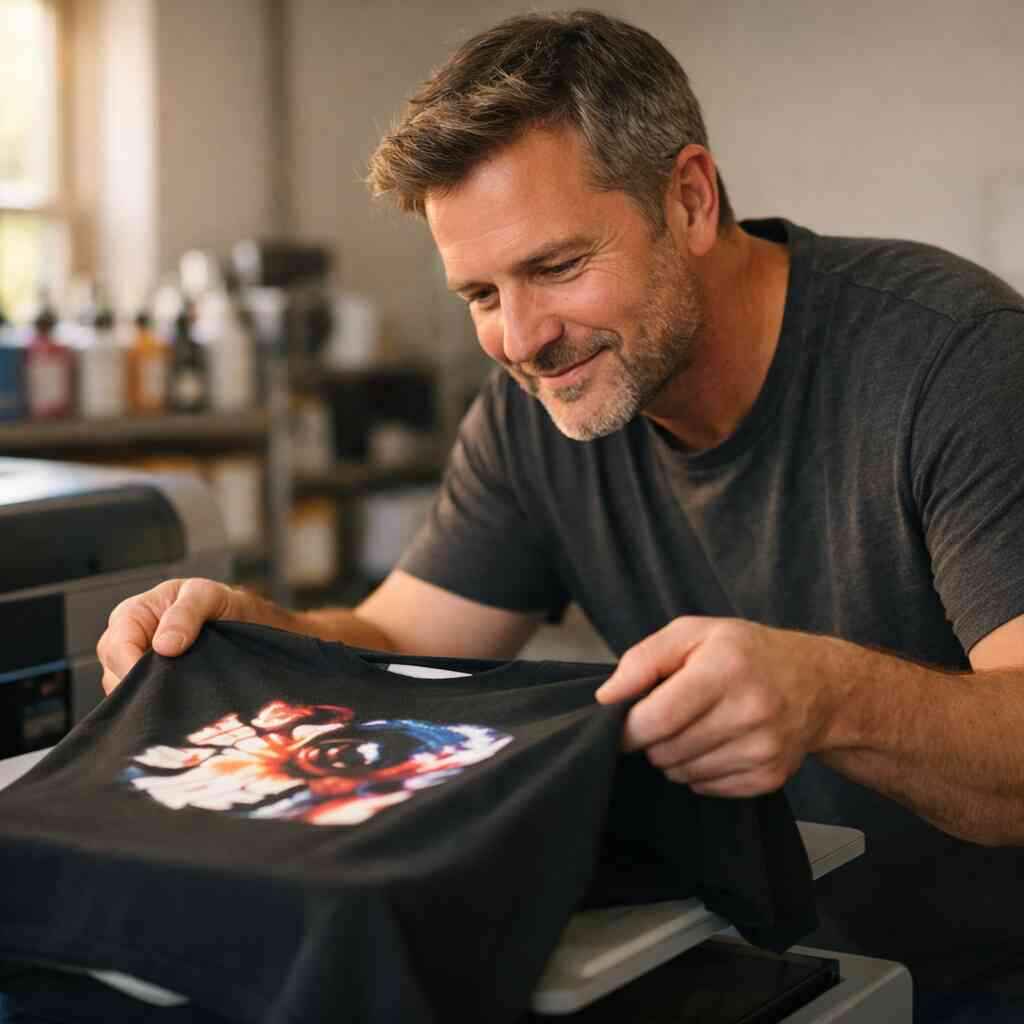
That is why direct to garment printing on cotton and cotton blend shirts needs careful setup. The right combination of DTG ink types and underbase settings helps preserve detail. It also keeps soft-hand custom printing from turning heavy. On dark custom tees, the balance between brightness and feel matters. The goal is strong color without a stiff print.
How to keep Commack NY custom printing and Suffolk County screen printing orders looking the same across sizes and styles
Consistency across garments is a real challenge. A small shirt can print differently than a 3XL shirt because of placement and fabric area. Different styles can also absorb ink at different rates. That is why production controls matter so much for Commack NY custom printing. The more variables you manage, the closer the finished pieces will match.
This is also important for Long Island in New York for regional custom apparel printing when teams and companies reorder later. We keep notes on settings, garment types, and color targets for repeat work. That helps custom tees, custom polo shirts, and company apparel stay consistent. If you print across multiple methods, the goal is still the same. You want the shirts to look like one coordinated set, not a random stack.
Brother GTX Pro vs Screen Printing vs Direct to Film
Which method wins for custom tees, team shirts, and family reunion shirts based on quantity and design detail
There is no single winner for every job. DTG is best for detail, short runs, and soft-hand feel. Screen printing is best for large runs and simple artwork. Direct-to-film printing is useful when you need transfer flexibility. The right method depends on the quantity and the art.
For custom tees, team shirts, and family reunion shirts, design detail often decides the method. If the artwork is photo-heavy, DTG usually wins. If the design is bold and simple, screen printing may be better. If you need mixed garment types, direct-to-film printing can be a smart bridge. That is why choosing the right process matters as much as the design itself.
How direct to garment vs screen printing compares on setup time, pricing, and soft-hand feel
DTG has very low setup time. Screen printing needs screens, separations, and press setup. That makes a big difference on small orders. DTG also offers a softer feel because the ink sits lighter on the fabric. Screen printing can be very durable, but it often feels thicker.
If you are comparing choosing between DTG and screen printing in Commack for custom shirt projects, start with quantity and texture. For ten shirts with complex art, DTG is often the better deal. For hundreds of shirts with one or two colors, screen printing usually wins. That is the practical truth behind direct to garment vs screen printing. The smartest buyers match the method to the mission.
When direct-to-film printing or heat transfer printing makes more sense for custom hoodies, custom hats, and custom tote bags
Direct-to-film printing can be a strong choice when fabric variety is high. It works well for custom hoodies, custom tote bags, and some promotional apparel. Heat transfer printing is also useful for certain specialty placements. It can be helpful when you need sharp detail on odd shapes or small runs. That flexibility is valuable for mixed orders.
We also use direct to film printing for custom hoodies, tote bags, and promotional apparel when the job calls for it. Hats, for example, often perform better with embroidery than with DTG. Custom embroidered caps usually look cleaner and last longer on curved fronts. A smart print shop does not force one method on every item. It chooses the right decoration for the product.
Why screen printing with a 110 mesh for white ink still rules for large runs and simple artwork
Screen printing still rules in plenty of situations. Large runs are where it shines. Simple artwork with bold color blocks also works very well. A 110 mesh for white ink helps push the ink through cleanly on dark garments. That setup gives strong coverage and reliable results.
This is why screen printing services for bulk custom shirts and team apparel on Long Island remain so popular. The method is efficient when the design stays the same across many pieces. It is a great fit for school spirit wear, company apparel, and event shirts. For many Long Island custom shirt printing customers, screen printing is still the most economical choice at scale. DTG is not here to replace it; it is here to give you another tool.
How to decide the right apparel decoration method for business shirts, company apparel, and event merchandise
The best method depends on the final use. Business shirts may need a clean logo and a polished feel. Company apparel may need durability and repeatability. Event merchandise often needs speed and flexibility. Each goal points to a different decoration method.
Use this quick guide:
- DTG for small runs, photos, and soft-hand prints.
- Screen printing for larger runs and simple designs.
- Direct-to-film for mixed materials and versatile transfers.
- Embroidery for hats, polos, and premium branding.
If you need help, custom shirt printing near me in Commack for fast turnaround orders can make the decision easier. A good shop will ask about budget, fabric, and deadline before suggesting a method. That is how you get custom apparel that actually fits your use case. It is also how you avoid paying for the wrong process.
Curing, Wash Tests, and Long-Term Wear for Custom DTG Prints
How curing DTG prints protects color, stretch, and feel on custom sweatshirts and custom polo shirts
Curing is where the print becomes durable. Heat bonds the ink to the garment so it can survive wear and washing. If curing is too light, the print can fade early. If it is too heavy, the shirt can feel stiff or damaged. The sweet spot protects color, stretch, and comfort.
That matters for custom sweatshirts and custom polo shirts, where customers expect daily wear. It also matters for custom workwear and promotional apparel. A properly cured print keeps its soft feel while still holding up. That balance is what separates high-quality custom shirts from cheap-looking ones. For us, curing is not a final touch; it is part of the print itself.
Why ASTM D5264 wash fastness and AATCC crocking tests matter for high-quality custom shirts
Standards help remove guesswork. ASTM D5264 wash fastness checks how well a print holds up through laundering. AATCC crocking tests measure color transfer and rub resistance. Together, they tell you whether the print is ready for real use. That is especially important for high-quality custom shirts.
If a print passes these checks, customers can trust it more. That matters for custom apparel for churches, custom sports jerseys, and custom construction shirts. It also matters when a brand wants long-term image control. Testing gives evidence, not hope. That is the difference between a claim and a result.
What proper heat settings do for custom embroidered caps, custom workwear, and soft-hand custom printing
Heat settings affect more than just DTG. They matter in embroidery production too, especially when stabilizers and finishing touches are involved. For custom embroidered caps, the right heat and handling keep the garment shape intact. For custom workwear, it protects the fabric from scorching. For soft-hand custom printing, it keeps the print wearable.
embroidery services for branded merchandise and custom polo shirts are often the better choice when texture and prestige matter. Embroidery uses thread, often with 40wt polyester, to create a raised and durable look. That finish works well for business shirts, custom polo shirts, and custom embroidered caps. The point is simple: the finishing method should match the garment and the job. Good heat control helps every method perform better.
How to spot bad curing before it turns into cracking, peeling, or faded prints after laundry cycles
You can often spot curing problems early. A print that feels tacky after cooling may not be fully cured. A design that looks cracked right after printing may have heat issues. If the shirt fades badly after one wash, curing is likely part of the problem. These signs are easier to catch before delivery than after complaints start.
Watch for these warning signs:
- Ink feels sticky or rubbery.
- Edges look uneven or dry.
- Color changes after a wash test.
- The print cracks when stretched gently.
- White underbase shows through too much.
These checks protect both the customer and the print shop. They matter for custom shirt printing in Commack, Long Island custom embroidery, and Suffolk County screen printing alike. Good production is about catching problems early. That is how you keep your reputation strong.
What customers in Commack, Long Island, and Suffolk County should ask before they order custom shirts online
Before you order, ask about the process, the fabric, and the proof. Ask whether the shop uses on-site printing or outsources the work. Ask how they handle color matching and curing. Ask whether they can provide a free mockup or free design help. Those questions save time and prevent costly surprises.
If you are searching for custom shirt printing samples for print quality and fabric testing or pickup in town, local support helps a lot. Our shop at 1139-7 Jericho Tpk. in Commack serves businesses and families across Suffolk County and Long Island. We help with order custom shirts online, create your own shirt requests, and fast turnaround printing when deadlines are tight. If you need custom shirt printing in Commack, the best move is to ask the right questions and get a clear quote. Then you can order with confidence and get shirts you actually want to wear.
Frequently Asked Questions
Question: What makes Custom Shirt Printings a good choice for custom shirt printing in Commack and Long Island custom shirt printing orders?
Answer: Custom Shirt Printings is a strong choice because we handle custom shirt printing in Commack with on-site production, hands-on quality control, and fast turnaround printing for local customers across Long Island. That means your custom tees, business shirts, team shirts, event shirts, and company apparel do not get sent away to a third party. We can review the artwork, help with vector art conversion, provide free design help, and guide you through the best apparel decoration method for your budget and deadline. Whether you need order custom shirts online or want to visit our Commack shop at 1139-7 Jericho Tpk., we make the process simple, local, and reliable. Customers also like that we offer custom shirt pricing options for cheap custom shirts, bulk t-shirt discounts, and no minimum custom shirts, which is especially helpful for rush order t-shirts and small runs.
Question: How do the Top 5 DTG Printing Tips for 2026 Custom Shirt Printings help improve quality for custom tees and personalized t-shirts?
Answer: The Top 5 DTG Printing Tips for 2026 Custom Shirt Printings focus on the details that make a shirt look professional and wear well over time: proper garment pretreatment, fabric compatibility, clean color management, strong curing, and the right artwork setup. These tips matter because direct to garment printing works best on compatible fabrics like 100 percent cotton and quality cotton blend DTG printing garments. When we apply the right pretreatment, manage DTG ink types carefully, and use proper curing DTG prints, the result is sharper photo-realistic shirt printing with a soft-hand custom printing feel. That is ideal for custom tees, custom long sleeve shirts, custom sweatshirts, custom hoodies, and personalized t-shirts. We also make sure your logo shirt design or custom shirt design online file is ready before printing, which helps avoid blurry edges, muddy colors, and weak wash durability. The result is high-quality custom shirts that look great from the first wear to the last wash.
Question: When should I choose DTG printing instead of screen printing, direct-to-film printing, or heat transfer printing?
Answer: DTG printing is usually the best choice when you want short runs, detailed artwork, or soft-hand prints on custom apparel. If you need no minimum custom shirts, rush order t-shirts, or personalized t-shirts with photos, gradients, or fine text, direct to garment often beats screen printing because it requires less setup and gives excellent detail. Screen printing is still the better option for large quantities, simple designs, and some bulk t-shirt discounts, especially for school spirit wear, company apparel, and event merchandise. Direct-to-film printing and heat transfer printing can be a better fit for mixed materials, custom hoodies, custom tote bags, custom hats, and specialty placements. At Custom Shirt Printings, we help you compare direct to garment vs screen printing and other apparel decoration methods so you can choose what actually works best for your order, fabric, and turnaround time.
Question: Can Custom Shirt Printings help with logo shirt design, Pantone matching, and color accuracy for branded merchandise and corporate gifts?
Answer: Yes, we can absolutely help with logo shirt design and color control for branded merchandise, corporate gifts, and promotional apparel. We use Pantone matching, color management for DTG, and careful file preparation to keep your brand colors consistent across reorders and across different garment styles. If your art needs cleanup, we can assist with vector art conversion and logo digitizing so the final print stays crisp and accurate. This is especially important for business shirts, custom polo shirts, custom workwear, custom sports jerseys, and custom embroidered caps where the brand image needs to look polished every time. We also offer free mockup support and guidance on custom shirt design online so you can see how the artwork will look before production. That level of care helps reduce mistakes and gives you confidence that your custom apparel company order will match your expectations.
Question: What should I know about fabric compatibility, garment pretreatment, and wash durability before I order custom shirt printing near me?
Answer: Fabric compatibility is one of the biggest factors in whether DTG printing turns out clean, vibrant, and durable. DTG works best on 100 percent cotton and many cotton blend shirts, while performance fabrics can be more difficult because they are made for moisture control rather than ink absorption. Garment pretreatment is especially important on dark shirts because it helps white underbase printing stay bright and keeps the design from sinking into the fibers. We also care about curing DTG prints correctly so your custom tees, custom sweatshirts, custom hoodies, and custom long sleeve shirts stay strong after washing. If you are ordering custom shirt printing near me in Commack or anywhere in Suffolk County, we can help you test fabric options, compare samples, and choose the right shirt for your design. That extra guidance is one reason people trust us for custom shirt printing in Commack, custom DTG Long Island orders, wholesale custom shirts, and even specialty pieces like custom baby onesies, custom aprons, custom bandanas, and custom drawstring bags.