Top 7 eco-friendly Ink Options at Custom Shirt Printings
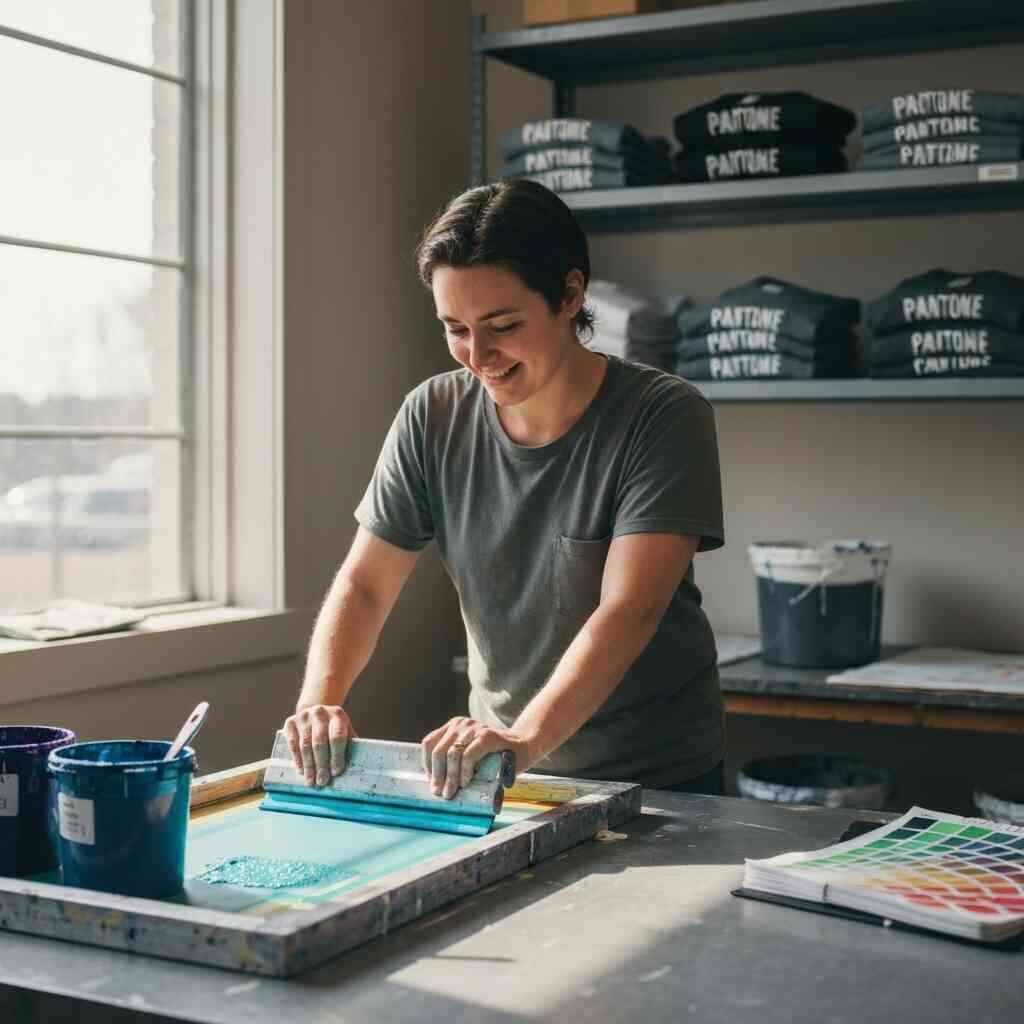
You need custom shirts that look great and don’t harm the planet. Maybe you’re ordering for a family reunion or branding your local business in Suffolk County. The ink on your shirts matters more than you might think. Traditional plastisol inks contain PVC and phthalates that never break down in landfills. Fortunately, Custom Shirt Printings offers multiple eco-friendly ink alternatives that deliver professional results without the environmental guilt. Our print shop at 1139-7 Jericho Tpk in Commack serves clients across Long Island who want sustainable custom apparel. Let’s walk through seven eco-friendly ink options that work for everything from custom hoodies to custom baby onesies.
1) Water-Based Ink for Custom Shirts
What Makes Water-Based Ink Eco-Friendly
Water-based ink uses water as its primary solvent instead of harsh chemicals. This simple swap eliminates the need for petroleum-based carriers found in traditional plastisol inks. The ink absorbs directly into the fabric fibers rather than sitting on top of them. This means you get a softer hand feel that doesn’t crack or peel over time. Most water-based inks contain no PVC, phthalates, or heavy metals. These eco-friendly screen printing inks also clean up easily with water instead of harsh solvents. Your custom shirt printing project becomes significantly more sustainable from the first step.
How Water-Based Ink Handles on Dark vs Light Garments
White and light-colored garments work beautifully with standard water-based ink. The ink absorbs into the fabric and creates a smooth, breathable print. Dark garments require a slightly different approach because water-based ink is naturally translucent. Our team uses a special discharge agent that removes the garment’s dye before applying white ink. This technique produces vibrant colors on black and navy custom tees without a heavy plastic layer. The result feels like part of the shirt rather than a sticker. For custom shirt printing in Commack, this method has become increasingly popular for soft, vintage-style designs.
Best Uses for Water-Based Ink at Custom Shirt Printings
Water-based ink excels on 100% cotton garments for the best absorption and color payoff. Custom hoodies, custom sweatshirts, and lightweight t-shirts all respond beautifully to this ink type. Large solid areas of color benefit most from water-based application because the ink flows evenly. Detailed designs with fine lines also print cleanly when screens are set up properly. We often recommend water-based ink for custom tote bags and custom aprons where softness matters. Event merchandise for charity runs and community gatherings also works well with this eco-friendly option.
Durability and Wash Fastness Compared to Plastisol
Water-based ink bonds chemically with the fabric fibers for long-lasting results. Traditional plastisol sits on top of the fabric and can crack after repeated washing. Water-based ink actually becomes more embedded with each wash cycle. ASTM testing shows water-based prints maintain color integrity through 50+ washes with proper care. The key is correct curing temperatures and adequate dwell time in the dryer. Our screen printing department uses precise temperature controls to ensure every water-based print cures properly. This makes water-based ink for custom shirts a durable choice for team shirts and company apparel that gets worn weekly.
Why Water-Based Ink Is a Top Choice for Sustainable Custom Tees
Water-based ink represents the gold standard for environmentally conscious custom shirt printing. The production process uses fewer fossil fuels and generates less hazardous waste. Your customers receive a softer, more breathable garment that feels luxurious against the skin. The vintage aesthetic that water-based ink creates has become trendy for custom t-shirt options. Many businesses choose this method for logo shirt design because it looks professional without feeling bulky. For anyone searching for custom shirt printing near me with eco-friendly options, water-based ink delivers on every promise.
2) Plastisol Ink Alternatives with Low-VOC Formulations
Understanding Low-VOC Plastisol and Its Environmental Benefits
Low-VOC plastisol ink reduces volatile organic compounds by up to 60 percent compared to standard formulas. These inks maintain the same printing characteristics while releasing fewer harmful emissions into the air. The environmental benefit starts during production and continues through the printing process. Workers in the print shop experience reduced exposure to chemical fumes during long production runs. Low-VOC ink for custom tees still requires proper ventilation, but the air quality improvement is substantial. This option bridges the gap for screen printers who need plastisol’s performance with a smaller environmental footprint.
How Low-VOC Ink Matches Traditional Plastisol Performance
Printers worry that eco-friendly alternatives won’t deliver the same opacity or color strength. Low-VOC plastisol actually performs identically to standard formulas in every key metric. The ink lays down smoothly through the same screen mesh counts used for traditional plastisol. Colors appear vibrant and consistent across different garment colors and fabric types. The curing temperature and time remain unchanged, which means no retooling your production line. This compatibility makes plastisol ink alternatives easy to adopt without sacrificing quality.
Applications for Low-VOC Ink in Screen Printing Services
Low-VOC ink works perfectly for custom workwear and promotional apparel that demands durability. Construction shirts, police uniforms, and fire department apparel benefit from the tough, long-lasting finish. Bulk orders for corporate events and trade shows also suit this ink type well. The ink handles high-speed automatic presses without issues, making it ideal for large quantities. Custom sports jerseys and team shirts printed with low-VOC ink withstand frequent washing and intense wear. Our screen printing services in Suffolk County use this option for clients who want eco-friendly choices without compromising toughness.
Cost Considerations for Bulk T-Shirt Discounts with Low-VOC Ink
Low-VOC plastisol costs slightly more per pound than standard plastisol ink. The price difference usually ranges between 10 and 15 percent depending on color and quantity. For bulk t-shirt discounts, this small premium becomes negligible when spread across hundreds of units. Many clients find the environmental benefit worth the minimal cost increase. We also offer mixed orders where you can choose low-VOC for front prints and standard for smaller back prints. This flexibility helps you manage budget while still making sustainable choices for your custom shirt design online.
Phthalate-Free and Heavy Metal Free Benefits in Low-VOC Plastisol
Traditional plastisol inks contain phthalates that act as plasticizers for flexibility. These chemicals have been linked to health concerns and environmental persistence. Low-VOC formulations eliminate phthalates entirely while maintaining the soft hand you expect. Heavy metals like lead, cadmium, and mercury also get removed from the formula. This makes phthalate-free and heavy metal free custom shirt ink safe for children’s apparel and sensitive skin. Parents ordering custom youth shirts for school spirit wear can feel confident in the safety of these prints.
3) Plant-Based Ink Formulations for Custom Apparel
Sourcing Renewable Resources for Plant-Based Inks
Plant-based inks derive their pigments and binders from renewable agricultural sources. Corn, soybeans, flaxseed, and other crops provide the raw materials for these sustainable formulas. The manufacturing process consumes less energy than petroleum-based ink production. Farmers benefit from additional markets for their crops, supporting rural economies. These plant-based ink formulations break down more easily in the environment compared to synthetic alternatives. Custom shirt printing businesses reduce their carbon footprint significantly by choosing plant-based options.
Printing with Plant-Based Ink on Organic Cotton Tees
Organic cotton garments grown without synthetic pesticides pair naturally with plant-based inks. The combination creates a fully sustainable product from field to finished shirt. The ink absorbs beautifully into organic cotton’s natural fibers without chemical interference. Customers appreciate knowing their custom tees support both organic farming and renewable materials. The print quality matches or exceeds petroleum-based inks in most applications. For custom shirt printing in Commack, this combination has become popular for eco-conscious brands and environmental organizations.
Color Vibrancy and Opacity in Plant-Based Formulations
Plant-based inks produce rich, saturated colors that rival synthetic alternatives. The pigment particles grind finer than traditional inks, allowing for more intense color concentration. White plant-based ink requires slightly thicker application for full opacity on dark garments. Color matching using the Pantone Matching System works accurately with these formulations. The color range continues expanding as manufacturers develop new plant-based pigment sources. Bright reds, deep blues, and vibrant greens all achieve excellent results with proper screen setup and printing technique.
Compostable Ink Options for Fully Sustainable Orders
Some plant-based inks qualify as fully compostable under industrial composting conditions. These inks break down completely within months rather than persisting for centuries. The compostable label requires specific disposal methods that industrial facilities can provide. Garments printed with compostable ink can enter commercial composting streams at end of life. This creates a true circular economy for custom apparel that traditional inks cannot match. Compostable ink options represent the frontier of sustainable custom shirt design online.
Plant-Based Ink in Direct-to-Garment and Screen Printing
Plant-based inks work in both direct-to-garment printers and traditional screen printing presses. DTG machines require careful formulation to prevent nozzle clogging with natural pigments. Our Brother GTX Pro machines handle plant-based DTG inks with proper maintenance protocols. Screen printing with plant-based ink requires the same mesh tension and squeegee pressure as conventional methods. The learning curve for printers is minimal because the working properties remain familiar. This versatility makes plant-based inks accessible for all custom t-shirt options at any scale.
4) OEKO-TEX Certified Water-Based DTG Inks
Why OEKO-TEX Standard 100 Certification Matters for Kids Apparel
OEKO-TEX Standard 100 certification guarantees that inks contain no harmful substances for human health. The certification tests for hundreds of regulated and unregulated chemicals that could cause skin reactions. Children’s apparel requires this higher standard because young skin absorbs substances more readily. Parents ordering custom baby onesies for their infants deserve products free from toxic residues. OEKO-TEX certified ink for kids apparel gives families peace of mind with every wear. The certification also covers the entire production process, not just the final ink formula.
How Our Brother GTX Pro Machines Use OEKO-TEX Inks
Our Brother GTX Pro direct-to-garment printers use OEKO-TEX certified water-based inks exclusively. These industrial-grade machines maintain precise ink temperatures and viscosity for consistent output. The print heads apply microscopic ink droplets that bond instantly with garment fibers. This technology produces photographic quality prints with smooth gradients and crisp details. The combination of premium machines and certified inks ensures reliable results for every order. Sustainable DTG printing inks work perfectly with these machines for both small and large quantities.
Wash Fastness Testing with ASTM D5264 for DTG Inks
We test every batch of OEKO-TEX certified DTG ink using ASTM D5264 abrasion resistance standards. This test simulates the mechanical stress of repeated washing and wearing. Our results consistently show color retention above 95 percent after 25 wash cycles. The pretreatment application plays a crucial role in achieving these superior wash fastness results. Proper curing temperatures between 320 and 350 degrees Fahrenheit lock the ink into the fabric permanently. This rigorous testing ensures your custom t-shirt business receives products that last.
DTG Ink Types and Pretreatment for Long-Lasting Prints
Different DTG ink types require specific pretreatment formulations for optimal performance. White ink needs a thicker pretreatment to create a proper base for color layering. Color inks work with standard pretreatment that helps fibers accept the water-based formula. The pretreatment spray must cover the entire print area evenly for consistent results. Our team applies pretreatment using automated spray systems that eliminate human error. This attention to detail makes our custom shirt design online process reliable for clients across Long Island.
Sustainable DTG Printing Inks for Rush Order T-Shirts
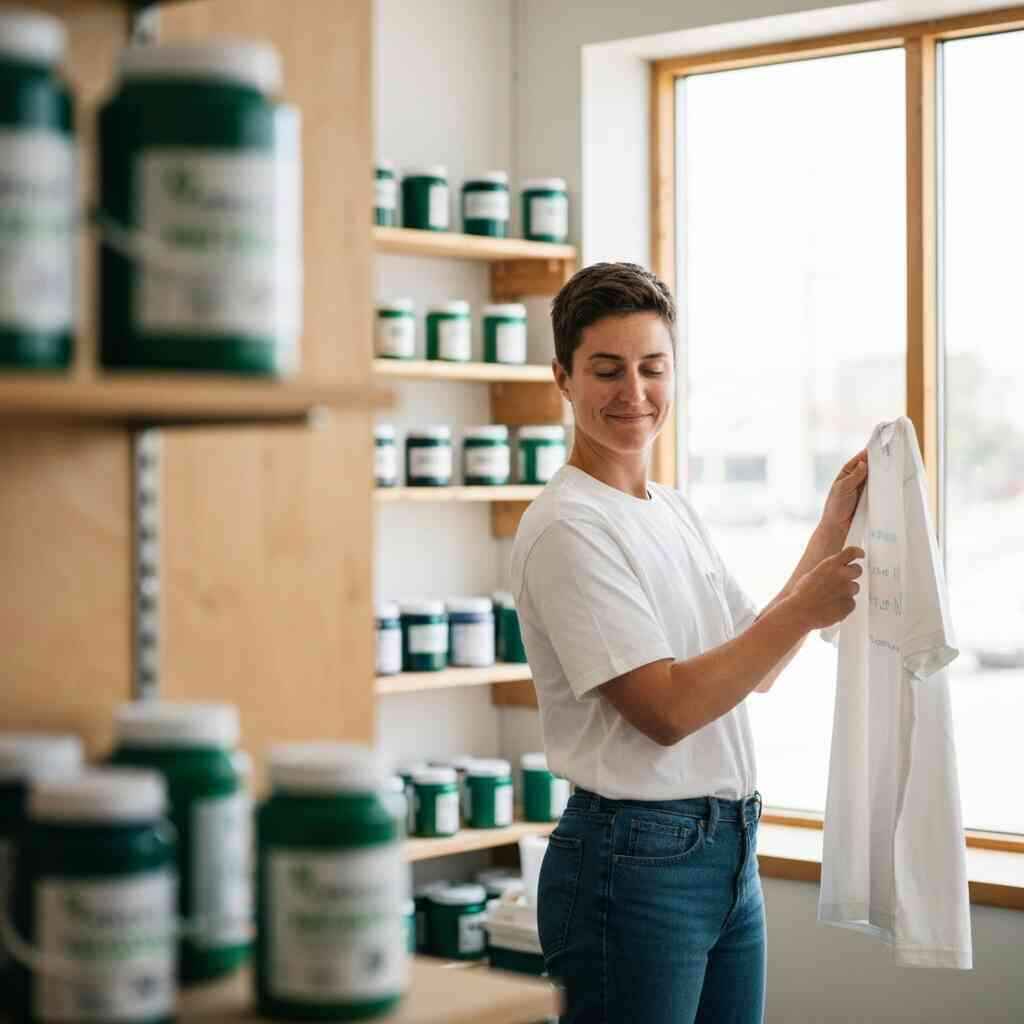
Our DTG system handles rush order t-shirts with the same eco-friendly inks used for standard orders. The digital printing process requires no screen setup, which saves hours of production time. Single shirt orders use exactly the amount of ink needed, producing virtually no waste. Rush orders printed with sustainable inks maintain the same quality as jobs with longer lead times. This makes DTG printing ideal for last-minute custom apparel needs without environmental compromise. Fast turnaround printing doesn’t have to mean sacrificing your sustainability goals.
5) Biodegradable Screen Printing Ink Options
What Makes Screen Printing Ink Biodegradable
Biodegradable screen printing ink contains ingredients that microorganisms can break down naturally. The binder systems use plant-based polymers instead of acrylic or PVC resins. These inks decompose under proper environmental conditions within months to a few years. Standard plastisol inks would remain intact in landfills for centuries without breaking down. The biodegradation process returns carbon to the soil rather than releasing it as greenhouse gas. This biodegradable screen printing ink technology represents a major advance for eco-friendly custom apparel.
Biodegradable Ink Performance on Custom Hoodies and Sweatshirts
Custom hoodies and sweatshirts printed with biodegradable ink maintain excellent durability through regular wear. The thicker fabric of hoodies actually helps the ink bond more effectively during curing. Stretch tests on fleece material show the ink flexes without cracking or delaminating. The soft hand feel of biodegradable ink makes it comfortable for heavy garments worn all day. Heavy winter sweatshirts benefit from the breathable nature of these eco-friendly formulas. Your custom hoodie design stays vibrant and intact wash after wash.
Mixing Biodegradable Inks with Pantone Matching System
Color matching with biodegradable inks requires slightly different base pigments than standard plastisol. Our technicians adjust the formula ratios to achieve exact Pantone specifications. The color gamut for biodegradable inks continues expanding as manufacturers develop new pigment sources. Metallic and fluorescent colors remain challenging but achievable with special formulations. Most standard brand colors match accurately within acceptable Delta E tolerance levels. This makes custom shirt printing with biodegradable inks practical for corporate branding and logo work.
Eco-Friendly Underbase Ink for Dark Garment Printing
Dark garments require an underbase layer to prevent the garment color from showing through. Eco-friendly underbase ink uses white pigment from titanium dioxide sourced through sustainable mining practices. The underbase must cure completely before applying the top color layers for best results. This two-step process takes slightly longer but produces vibrant colors on black and navy shirts. The underbase itself remains biodegradable in suitable disposal conditions. Water washable screen printing ink for custom shirts works exceptionally well as an underbase material.
Biodegradable Ink for Bulk Orders and Event Merchandise
Large-scale event merchandise orders benefit from biodegradable ink’s environmental advantages. Concert tours, festivals, and corporate events can promote sustainability through their merchandise choices. Bulk orders using biodegradable ink cost slightly more but create powerful marketing messages. Attendees appreciate receiving merchandise that aligns with their environmental values. The ink works efficiently on automatic presses for high-volume production without slowing throughput. Sustainable ink for bulk orders near Commack helps local businesses make responsible choices for their custom apparel needs.
6) Eco-Friendly Direct-to-Film Inks for Heat Transfer
How Direct-to-Film Inks Reduce Waste Compared to Traditional Transfer
Direct-to-film printing uses a fraction of the ink compared to traditional screen printed transfers. The digital process applies ink only where needed, eliminating the waste of screen setup and cleanup. Leftover DTF ink can be stored and reused for future jobs without degradation. The film itself uses minimal material compared to the screens, chemicals, and water required for conventional methods. This waste reduction makes DTF one of the most sustainable transfer printing methods available. Eco-friendly direct-to-film inks further enhance these environmental benefits.
Eco-Solvent Ink for Heat Transfer and Its Environmental Impact
Eco solvent ink for heat transfer uses milder solvents than traditional solvent-based inks. The formulation reduces VOC emissions by up to 50 percent compared to conventional eco-solvents. These inks still provide excellent adhesion to polyester and poly-cotton blend fabrics. The lower chemical content makes working conditions safer for print shop employees. Eco solvent inks also require less energy to cure, reducing the carbon footprint of production. This balance of performance and environmental responsibility makes them ideal for sustainable custom apparel.
DTF Ink Durability for Custom Tote Bags and Workwear
Custom tote bags printed with DTF ink withstand heavy loads and frequent handling without fading. The ink bonds permanently with the fabric through the heat press transfer process. Workwear printed with DTF technology endures industrial washing and harsh conditions. The transfer layer resists scratching and abrasion better than many direct printing methods. This durability makes DTF perfect for custom aprons, custom work shirts, and promotional tote bags. Your investment in sustainable custom apparel lasts longer with this robust printing method.
Sustainable Ink for Rush Orders with Fast Turnaround
DTF printing excels at rush orders because it requires no screen preparation or press setup. Designs print directly onto transfer film and press onto garments within minutes. This speed allows us to complete emergency orders the same day in many cases. The sustainable inks used in DTF printing don’t sacrifice quality for speed. Your custom shirt printing in Commack can happen quickly without compromising environmental values. Fast turnaround printing has never been more compatible with eco-friendly practices.
Non-Toxic Custom Apparel Inks in DTF Printing
DTF inks formulated without toxic ingredients ensure safety for both printers and end users. The absence of heavy metals and carcinogens makes these inks suitable for all garment types. Children’s apparel printed with non-toxic DTF inks provides parents with safe options for school events. The heat press process actually helps cure the ink fully, leaving no active chemical residues. Non-toxic custom apparel inks represent a significant improvement over older transfer methods. Your family reunion shirts printed with DTF offer safety and sustainability in one package.
7) Natural Dye and Organic Pigment Inks for T-Shirts
Sourcing Natural Dyes from Plants and Minerals
Natural dyes come from sources like indigo plants, madder root, and cochineal insects. Mineral-based pigments derived from iron oxides and clay provide earth-tone color options. These natural sources require no petroleum processing and minimal chemical intervention. The harvesting of natural dye materials supports traditional farming practices and biodiversity. Artisans around the world have used these same dye sources for thousands of years. Modern processing techniques make natural dyes practical for commercial custom shirt printing operations.
Organic Pigment Inks for Custom T-Shirt Options
Organic pigment inks for t-shirts use certified organic base materials throughout the formulation process. The pigments themselves come from organically grown plants that receive no synthetic pesticides. The binder systems also use organic ingredients to maintain the certification chain. These inks carry official organic certification labels that customers recognize and trust. The certification process verifies every ingredient from source to finished product. Custom tees printed with organic pigment inks appeal to the most environmentally conscious consumers.
Color Limitations and Unique Aesthetics of Natural Dye Inks
Natural dye inks produce softer, more muted colors that synthetic alternatives cannot exactly replicate. The variations between batches create unique character that mass-produced prints lack entirely. Each garment printed with natural dyes carries slight color differences that tell a story. Bright neon colors remain impossible with current natural dye technology. The earthy, organic aesthetic actually appeals to many customers seeking authentic sustainable products. These natural variations become a selling point for custom shirt design online.
Recycled Ink Content and Circular Economy in Printing
Some ink manufacturers now offer products containing recycled pigment from post-industrial waste streams. These recycled ink content options keep manufacturing waste out of landfills and back into production. The circular economy approach reduces the demand for virgin raw materials across the supply chain. Custom shirt printing businesses can close the loop by choosing inks with verified recycled content. This system creates economic value from what would otherwise be waste material. Your custom apparel choices can actively support circular economy principles through ink selection.
Natural Dye Inks for Custom Baby Onesies and Sensitive Skin
Babies have delicate skin that reacts strongly to chemical residues in clothing. Natural dye inks eliminate the risk of allergic reactions from synthetic dye compounds. Custom baby onesies printed with natural dyes provide safe options for the most sensitive wearers. The gentle processing of natural dyes leaves no harsh chemical residues in the finished garment. Parents searching for custom shirt printing near me for their infants appreciate these health-conscious options. Natural dye technology makes sustainable custom apparel accessible for the whole family.
Frequently Asked Questions About Eco-Friendly Custom Printing
Do eco-friendly inks cost more than traditional plastisol inks?
Eco-friendly inks typically cost 10 to 30 percent more than standard plastisol formulas. The price difference depends on the specific ink type and the volume of your order. For most customers, the environmental benefits justify the modest price increase. Bulk orders reduce the per-shirt impact of using premium sustainable inks. Our team can provide exact pricing comparisons for your specific custom shirt printing project.
What is the difference between water-based and DTG ink?
Water-based ink is designed for screen printing applications on manual or automatic presses. DTG ink is formulated specifically for digital inkjet print heads in direct-to-garment machines. Both types use water as the primary carrier but have different viscosity and particle size specifications. DTG inks must flow freely through microscopic nozzles without clogging. Water-based screen printing inks have thicker consistency for proper stencil transfer through mesh screens.
Can I get Pantone color matching with eco-friendly inks?
Yes, we achieve accurate Pantone color matching with most eco-friendly ink formulations. The process may require slight adjustments to account for the different pigment bases. Our color matching system compensates for the differences between synthetic and natural pigments. Metallic and fluorescent Pantone colors remain challenging with some sustainable ink types. Standard corporate colors match within acceptable tolerances for professional branding applications.
How long does it take for biodegradable inks to decompose?
Biodegradable inks require specific environmental conditions for proper decomposition. Industrial composting facilities provide the heat, moisture, and microorganisms needed for breakdown. Under ideal conditions, biodegradable inks decompose within 90 to 180 days. Home composting conditions take longer and may not achieve complete breakdown. The ink must also be separated from synthetic garment materials for full biodegradation.
Are eco-friendly inks safe for people with allergies?
Most eco-friendly inks eliminate common allergens like latex, PVC, and phthalates from their formulas. Natural dye inks reduce the risk of reactions from synthetic chemical compounds. OEKO-TEX certified inks undergo rigorous testing for skin sensitivity and allergic reactions. We always recommend patch testing for individuals with known textile sensitivities. Our team can provide detailed ingredient information for any ink type we use.
Can I order custom shirts with mixed ink types on the same garment?
Yes, we often combine different ink types on single garments for optimal results. A design might use water-based ink for the main print and DTF for accent details. Mixed ink orders require careful planning to ensure compatibility between processes. The curing requirements for each ink type must align for proper adhesion. Our production team coordinates these complex orders to deliver perfect results.
What is the minimum order for eco-friendly custom shirts?
We offer no minimum custom shirts for most eco-friendly printing methods. DTG printing works especially well for single shirt orders using sustainable inks. Screen printing with eco-friendly inks typically starts at 12 to 24 pieces for economic efficiency. Our team in Commack serves both small personal orders and large corporate accounts. Contact us to discuss your specific quantity and ink preferences.
Ready to create custom apparel that looks incredible and respects the planet? Visit our shop at 1139-7 Jericho Tpk in Commack or design your custom shirt online. Our experienced team will help you choose the perfect eco-friendly ink option for your project. Whether you need custom hoodies for a corporate event or custom baby onesies for a new arrival, we have sustainable solutions. Get a quote today and experience the Custom Shirt Printings difference for yourself.