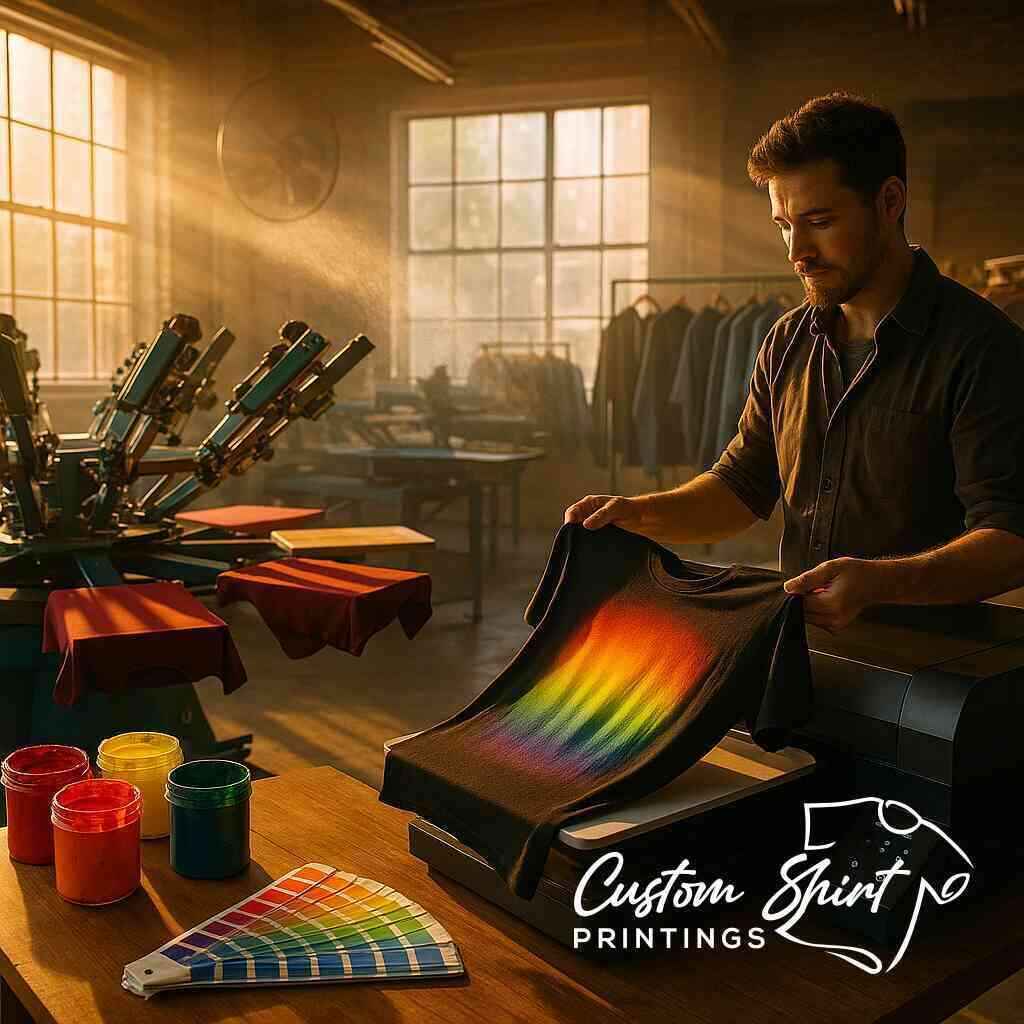
Compare Commack Screen Printing to DTG with Custom Shirt Printings
Opening Thread by Thread: A Fresh Look at Custom Shirt Printing in Commack
Why the North Shore Is Buzzing About Custom Tees
Custom apparel has become the unofficial language of Long Island events. From lacrosse tournaments to brewery launches, personalized tees let every group speak in color. Residents searching for custom shirt printing near me often discover that Commack delivers big-city capability with hometown warmth. The village vibe blends perfectly with high-tech presses, making Long Island custom shirt printing surprisingly accessible. Many newcomers start by exploring our custom shirt printing services in Commack, which showcase endless garment and ink possibilities.
A growing number of North Shore entrepreneurs now use shirts as rolling billboards. Coaches order moisture-wicking jerseys that boost unity during playoff runs. Bands drop limited runs of vintage-washed merch between sets, giving fans Instagram-worthy souvenirs. Even yoga studios request soft tri-blend tanks that match their aesthetic while promoting classes. Because each order varies in fabric, color, and artwork complexity, choosing the right print method-screen or DTG-matters enormously. That decision forms the heart of this comparison.
Long Island Web Design Meets On-Demand Apparel
Digital storefronts shape how quickly teams can gear up. A sleek product configurator connects local shoppers to our presses 24/7. We combine Long Island web design thinking with tactile production expertise; the result is friction-free ordering paired with tangible quality checks. Customers build a virtual t-shirt mockup and printing quote in minutes, yet still enjoy face-to-face guidance in our Commack showroom. This hybrid model removes the guesswork that once plagued custom orders.
Integrating artwork upload, Pantone selection, and secure checkout into one dashboard accelerates delivery timelines. Neighborhood nonprofits can approve proofs remotely, freeing volunteers to focus on fundraising. Corporate marketing teams sync our system with their brand libraries, ensuring consistent logo reproduction across polos, hoodies, and tote bags. Because every pixel matters, we maintain an in-house art department skilled at vector cleanup and halftone conversion. That attention prepares every file for either screen or DTG output without costly surprises.
From T-Shirt Mockup to Wearing It: The Modern Workflow
The journey from concept to closet involves several finely tuned stages. First, our designers confirm resolution, sizing, and placement while advising on custom t-shirt options like sleeve prints or inside-neck tags. Next, clients approve a high-fidelity digital proof that mirrors ink saturation and shirt texture. For screen jobs, we burn separate stencils for each color; for DTG, we optimize underbase and color profiles for the chosen fabric. Production then shifts into calibrated machinery, where experienced press operators monitor pressure, temperature, and pass counts.
Quality control continues after curing. We conduct stretch tests, inspect stitch integrity on seams, and verify alignment against the original mockup. Once approved, pieces are folded, poly-bagged, or boxed-ready for pickup or shipping. This streamlined pipeline supports both single-shirt birthday gifts and thousand-piece festival drops. By mastering each micro-step, Custom Shirt Printings turns tight deadlines into seamless success stories every week.
The Screen Printing Powerhouse: Time-Tested Ink on Fabric
Commack Screen Printing Comparison: Plastisol versus Water-Based Formulas
Screen printing remains the gold standard for bold colors and mass runs. Plastisol inks sit atop fibers, producing vibrant opacity even on dark garments. They resist cracking, making them ideal for athletic uniforms that endure sweat and stretch. Water-based inks soak into cotton, leaving a nearly weightless feel prized by fashion labels aiming for retail softness. Our technicians evaluate artwork density, garment tone, and requested hand feel before selecting the proper chemistry.
Because plastisol cures at lower pressure than water-based options, it pairs well with polyester blends prone to heat bleeding. Conversely, water-based formulas allow discharge additives that replace dye with lighter pigments, delivering a vintage fade without additional layers. Clients seeking eco credentials often choose these low-VOC solutions. Each formulation undergoes wash testing to confirm strong adhesion over repeated laundry cycles, ensuring print durability matches the lifespan of premium blanks.
Pantone Matching and Vintage-Look Runs
Brand managers obsess over hue accuracy, and our Pantone system delivers. We mix inks on-site, weighing pigments to fractional grams until they match corporate color codes. This precision lets tech firms launch product events with shirts identical to their UI palettes. Vintage-inspired collections, on the other hand, may request intentionally muted tones. We achieve this through reduced pigment loads, special bases, and controlled curing temperatures that encourage soft cracking over time.
Specialty additives like puff, metallic, or glow powder expand creative horizons further. When combined with distressed artwork, these effects produce a lived-in aesthetic reminiscent of thrift-store finds. Customers seeking custom tees in small batches find that controlled imperfection can be as deliberate as any spotless corporate print. Whether ultra-crisp or nostalgically weathered, our screen department fine-tunes each layer for visual impact and brand storytelling.
Bulk Order Screen Printing Savings for Corporate Events and Team Jerseys
The economics of screen printing shine brightest at high quantities. Once screens are prepped, additional pulls add negligible labor cost, driving the price per piece down dramatically. Companies outfitting hundreds of volunteers can maximize budgets while maintaining color consistency across sizes. Schools ordering spirit wear bags, sweatpants, and rally towels benefit from the same scale advantage.
Our automated carousel presses can lay down eight colors at speeds unattainable by manual setups, ensuring event deadlines are met without overtime surcharges. We also offer tiered pricing so organizations can reward early sign-ups with discounted bundles. This bulk efficiency positions screen printing as the smart choice whenever a design stays consistent and headcounts soar. Even after factoring in setup fees, the savings compared to DTG remain compelling for most large-run scenarios.
Logo Shirt Design Tips for Multicolor Setups
Creating a multicolor design starts with strategic layering. Designers should separate line art from fills, allowing us to trap edges and prevent unwanted gaps. Avoid gradients narrower than 1/32 inch because mesh tension can blur micro details. Instead, simulate fades with halftone dots sized to specific mesh counts; our art team translates these patterns into crisp, reproducible screens.
Limiting a palette to four or six hues often balances visual richness with budget constraints. We recommend anchoring compositions with opaque white or light gray underbases-especially on dark fabrics-to guarantee top colors pop. Incorporating negative space cleverly can reduce the total color count while enhancing legibility. Careful planning at this stage saves both time and cost once production begins.
Sustainability: Reclaiming Screens and Recycling Ink
Eco stewardship guides our screen room operations. We reclaim aluminum frames after each job, stripping emulsion with biodegradable solutions rather than discarding spent screens. Leftover plastisol batches are blended into dark base jars for future projects, minimizing waste. We capture filtered washout water to keep pigments from entering municipal drains. These steps align with sustainable printing practices on Long Island, reflecting our commitment to community health.
Clients can amplify their sustainability story by selecting organic cotton blanks or recycled polyester tees. When coupled with water-based inks and soy cleaners, a single order can significantly shrink its carbon footprint. Transparent reporting on these measures helps brands communicate authenticity to eco-conscious shoppers. As legislation tightens around industrial discharge, our proactive approach keeps us-and, by extension, our clients-ahead of regulatory requirements.
DTG Unleashed: High-Resolution Color Without Limits
Eco-Friendly DTG Inks and Small-Batch Production
Direct-to-garment printing excels where intricate detail meets modest order sizes. Using CMYK plus white, our machines spray water-based pigment directly into fibers, eliminating screens and setup waste. This process supports on-demand manufacturing, lowering inventory risk for boutique labels experimenting with new graphics. The inks cure at lower temperatures than plastisol, consuming less energy per shirt and producing a soft hand feel comparable to retail-quality garments.
Because DTG requires no harsh solvents, shop air remains cleaner for technicians and visitors alike. This chemistry meets global OEKO-TEX standards, addressing consumer concerns about skin sensitivity. Small businesses using online dropship models appreciate that each tee can print only after a customer places an order, preventing overstock and markdowns. Environmentally, it means fewer unworn garments ending up in landfills.
Gradient Accuracy and Photographic Detail for Custom Hoodies and Sweatshirts
Screen dots struggle to capture every fine detail in a pet portrait, but DTG handles gradients with photographic fidelity. Our RIP software interprets millions of colors on heavyweight fleece, ensuring that sunset panoramas, watercolor washes, and fine text replicate flawlessly. Custom hoodies and sweatshirts benefit from this precision, showcasing sponsor logos in full color even across textured French terry loops.
Designers no longer need to limit themselves to five-color maximums. Instead, they can use painterly effects knowing the printer will translate subtle transitions without banding. The result: merch that competes visually with offset poster prints, yet flexes comfortably with daily wear. For artists selling gallery merch, this opens a lucrative extension of their existing portfolios.
DTG Tees with No Minimum Orders: A Local Print-on-Demand Option
Traditional methods impose minimums to offset screen prep costs, but DTG eliminates that barrier. A single birthday tee, bridal shower gift, or prototype sample receives the same attention as larger contracts. Neighborhood creators can test slogans on five pieces before committing to a full collection, letting real-world feedback guide subsequent runs.
This flexibility supports micro-influencers launching capsule lines without warehouse storage. It also benefits corporate offices needing a last-minute handful of commemorative tees for a retiring colleague. By offering custom DTG tees with no minimum, Custom Shirt Printings democratizes merchandise creation, fueling entrepreneurial spirit across Commack.
High-Speed Pretreat-to-Press Workflow Inside Our Commack Store
Pretreat solution functions like primer, ensuring white underbase adhesion on dark garments. Our automated spray tunnels coat each shirt evenly, then conveyor dryers lock in chemistry for optimal color output. Barcode tracking assigns settings per fabric type, combining speed with repeatability. Operators load garments onto dual-platen printers, where simultaneous print heads tackle front and back designs in one cycle.
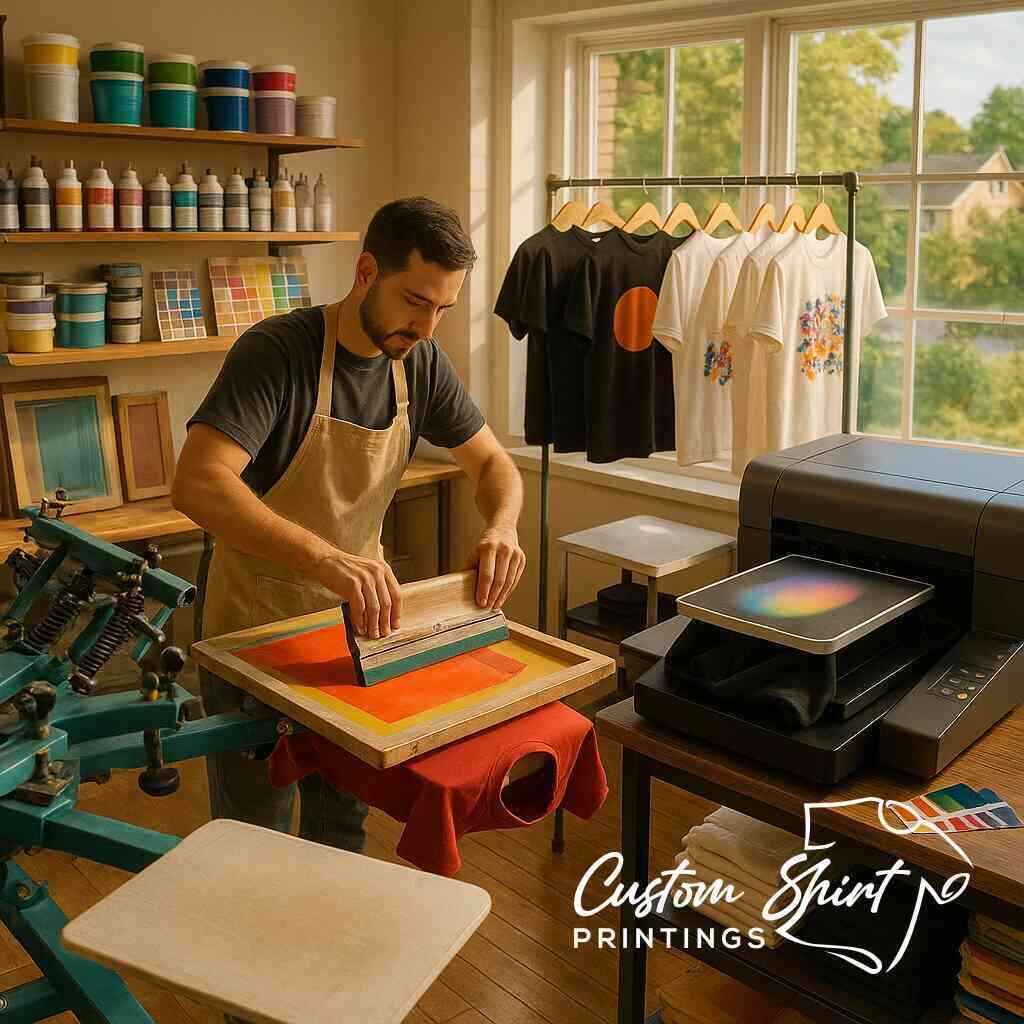
Real-time cameras capture nozzle performance, notifying staff of deviations before they affect output. After curing, every piece passes a lint roller and stretch inspection to confirm fiber saturation. This end-to-end control allows same-day turnaround on rush orders without sacrificing quality. Customers can watch the process through our showroom window, gaining appreciation for the craftsmanship behind their prints.
Comparing Durability: Wash Tests and Wear Trials
Critics once doubted DTG’s longevity, but modern inks and pretreat formulas have put those concerns to rest. We routinely launder test garments for 50 cycles, monitoring for fading, cracking, or peeling. Proper curing temperature and time prove decisive; by following precise profiles, our lab verifies colorfastness comparable to screen alternatives. Heavy cotton shirts may retain prints longer than stretchy athletic blends, so we adjust heat settings accordingly.
Field reports from landscapers, chefs, and gym owners inform our durability data. Their real-world use exceeds standardized tests, validating our commitment to constant improvement. Clients reviewing customer feedback on print durability often note surprise at how vibrant shirts remain after months of heavy use. Transparent metrics help customers choose confidently between DTG and screen, aligning expectations with performance realities.
Decision Matrix: Choosing the Right Method for Your Custom Apparel
Custom Tees for Startups Versus Established Brands
Early-stage businesses value flexibility and low initial investment, making DTG attractive for proof-of-concept runs. Conversely, established franchises with consistent branding and higher volume typically lean toward screen printing for economy of scale. Hybrid strategies also exist: startups graduating to volume can migrate top-selling designs to screen while keeping experimental artwork on DTG. This phased approach balances cash flow with brand expansion.
Assessing product life cycle is crucial. Limited-edition drops leveraging seasonal themes benefit from DTG’s immediacy. Long-running corporate giveaways that thrive on consistency align better with screen printing’s bulk efficiency. Understanding audience size and forecasted demand helps determine which path maximizes return on investment.
Quick Turnaround Metrics and Rush Options
Speed matters when product launches align with trade shows or holiday deadlines. DTG generally offers shorter lead times because it skips screen setup entirely. A 24-piece order can move from art approval to boxed shipment in under two business days during non-peak seasons. Screen printing turnaround accelerates as quantity increases, but setup time remains fixed regardless of order size.
For same-day emergencies, we maintain priority slots in both departments. Rush fees cover overtime staffing and extended dryer schedules, ensuring commitments never compromise craftsmanship. Transparent communication about garment availability and artwork complexity keeps calendar projections accurate.
Cost Per Piece Breakdown: Screen Print Versus DTG
Quantitative analysis often determines the final print method. Calculate total screen setup, separations, and press wash-up costs, then divide by the number of units ordered. At roughly 60 shirts, screen printing usually undercuts DTG’s per-shirt fee. Past that threshold, savings amplify. Below it, DTG’s zero setup cost preserves budgets even though individual piece pricing starts higher.
Specialty screen effects like metallic foil or puff may add charges that tilt the equation back toward DTG for photorealistic designs. Conversely, multi-location DTG prints accumulate additional passes and therefore additional cost. Comparing quotes based on actual artwork and size ranges gives the most accurate picture.
Ink Feel: Hand Softness and Breathability
Athleisure shoppers rank comfort as highly as color. Water-based screen prints and DTG share a soft impression, integrating into fabric rather than sitting on top. Plastisol, while thicker, maintains elasticity when flashed correctly and can mimic embroidery’s robust presence. Breathability varies: discharge inks remove dye entirely, creating prints nearly indistinguishable from bare cotton. DTG’s water-based pigments allow airflow yet may feel marginally stiffer on dark garments due to the white underbase.
User preference guides selection. Performance tees usually favor softer prints to prevent chafing, while streetwear brands sometimes seek tactile, raised textures. Sampling each technique on the intended fabric remains the surest path to customer satisfaction.
Lead Marketing Strategies for Branded Merchandise and Digital Business Card Integration
Apparel alone can drive exposure, but pairing it with omnichannel touchpoints amplifies reach. QR codes inside hem labels link directly to landing pages, capturing post-purchase engagement. Incorporating interactive digital business cards enables trade-show reps to share contact details with a tap, reflecting the same forward-thinking approach visible in their branded shirts. Partnering with Lead Marketing Strategies ensures coherent messaging across garments, packaging, and social media campaigns.
Moreover, cohesive design language-consistent typography, color, and iconography-strengthens recall when recipients encounter ads elsewhere. Uniting apparel with a broader marketing ecosystem converts every wearer into a roaming brand ambassador.
Stitching It All Together: The Custom Shirt Printings Commitment
Quality Control at 1139 Jericho Tpk
Our Commack facility houses climate-controlled ink storage, calibrated dryers, and spectrophotometers that verify every Pantone target. Each operator records temperature and pressure logs for traceability. Random pulls undergo stretch and abrasion tests hourly. A second-shift inspector cross-checks counts against packing slips to eliminate shortages. This layered scrutiny is how we honor our promises and outperform generic print-on-demand apps.
Community feedback loops drive continuous upgrades. We invite clients to watch presses in action, fostering transparency. When misprints occur, we recycle scraps into shop rags rather than landfill waste, embodying responsible practice. Dedication to detail yields consistent quality whether we’re producing heavyweight Carhartt work shirts, lightweight Bella+Canvas triblends, or Champion reverse-weave hoodies.
Next Steps: Design Online or Visit Us in Commack
Ready to transform artwork into wearable conversation starters? Start with our online designer to explore fonts, clipart, and placement templates. Upload vector logos or high-resolution PNGs, then preview front, back, and sleeve views instantly. For hands-on shoppers, visiting our Jericho Turnpike storefront offers fabric swatches and live ink comparisons.
Our staff can translate rough sketches or smartphone photos into polished production files. We encourage requesting print sample proofs before production so stakeholders can sign off with confidence. Whether you need dri-fit polos for a golf outing or pigment-dyed crewnecks for a coastal boutique, we match garments to purpose and budget.
Future Trends: Hybrid Prints and DTF Overlays
Innovation never rests; hybrid workflows combining DTG underbases with screen overlays already produce fresh textures. Direct-to-Film (DTF) transfers extend possibilities further by fusing complex gradients onto nylon windbreakers once considered unprintable. We actively test stretch adhesives, reflective powders, and matte varnishes to anticipate tomorrow’s design language.
Clients interested in learning more can review our DTG versus DTF comparison guide, which breaks down adhesion, feel, and color gamut. By staying ahead of emerging technology, Custom Shirt Printings keeps your merch line relevant and visually compelling for seasons to come.
Frequently Asked Questions
Question: How do I choose between screen printing and DTG for custom shirt printing in Commack?
Answer: Start by estimating quantity, artwork complexity, and timeline. Screen printing is the powerhouse for bulk orders-once the screens are set up, every additional pull costs very little, making it ideal for corporate events, team jerseys, and large festival drops. DTG is the better choice for intricate, full-color graphics or small-batch runs because there are no setup fees and it can reproduce unlimited gradients with photographic detail. If you need 60 pieces or more with the same logo shirt design, go screen; if you want five custom tees for an online launch-or you’re testing a new design-go DTG. Either way, our Commack showroom lets you touch, compare, and decide on the spot.
Question: What kind of durability can I expect from screen print ink versus DTG prints on Long Island custom shirt printing orders?
Answer: Our plastisol and water-based screen prints routinely hit 50+ wash cycles without cracking, thanks to controlled flash curing and rigorous stretch tests. DTG has caught up fast: modern eco-friendly DTG inks, precise pretreat application, and calibrated dryers now deliver colorfastness rivaling screen prints-especially on heavyweight cotton. We launder-test every ink system in-house and share the data, so you know whether that marathon training tee or custom hoodie will stay vibrant all season.
Question: Can Custom Shirt Printings deliver custom DTG tees with no minimum and quick turnaround for small-batch or rush orders?
Answer: Absolutely. Our high-speed pretreat tunnels, dual-platen printers, and barcode tracking let us turn around a single birthday tee or a 24-piece bridal party order in under two business days-sometimes the same day. Because DTG eliminates screens, setup time drops to near zero, and you only pay for the garments you need. It’s the print-on-demand solution Long Island creators rely on: no inventory risk, no leftover stock, just sharp, high-resolution DTG printing when you need it.
Question: How does your t-shirt mockup and printing workflow integrate Long Island web design, digital business cards, and lead marketing strategies for cohesive branding?
Answer: Our online designer-built with the same Long Island web design principles we provide to clients-lets you create a t-shirt mockup and printing quote 24/7 while pulling brand assets from cloud libraries. We can embed QR codes or interactive digital business cards inside hem labels, turning every custom apparel piece into a powerful branding touchpoint. Approve proofs online, sync Pantone codes, and track real-time production status from any device-all while our in-house art team perfects vector files and halftones for flawless screen or DTG output.
Question: You highlight Pantone matching and photographic detail-how do you keep colors consistent across custom hoodies, sweatshirts, and team jerseys?
Answer: We calibrate both departments daily. For screen printing, a spectrophotometer verifies each on-site Pantone mix to within 2 Delta-E before it hits the press. For DTG, RIP software maps that same Pantone target into CMYK values specific to each fabric-whether it’s plush fleece, tri-blend, or dri-fit polyester. Test swatches from every run go through light-box evaluation and wash trials before the bulk job prints. That means your corporate green stays identical across 500 rally towels, 200 custom sweatshirts, and a handful of DTG sample tees.